Quercetin is a flavonoid of the flavonol category available in fruits and vegetables, very common in traditional foods that can be bought at the market but also available for sale in capsules for its antioxidant, antiallergic properties, and benefits for the prostate.
It has effects to prevent aging and regulate the function of the immune system, acting on the response of cells that are activated when there are products that cause us allergy or microbes that deteriorate the body.
Its scientific name is «2-(3,4-dihydroxyphenyl)-3,5,7-trihydroxy-4H-chromen-4-one» and its molecular formula «C15H10O7«, having the identifier CAS: 117-39-5.
6151-25-3
There are many properties of quercetin, from which we can benefit and give it uses in certain situations, so below we describe all its functions, benefits, doses, and ways of taking it.
Contents
What is Quercetin Used For?

- Diabetes control.
- Protection against inflammatory diseases.
- Cardiovascular system protection.
- Blocking skin aging.
- Cancer prevention.
- Improving blood circulation and quality.
- Preventing hair deterioration.
- Inhibiting histamine release (improving immune response and reducing allergies).
- Fat removal (adipose tissue).
Quercetin serves as a natural antioxidant, protecting against free radicals and preventing skin aging, being one of the most well-known and used flavonoids today.
It has many beneficial properties for the human body, and the best part is that it can be found in countless inexpensive and easy-to-buy foods.
One use of quercetin is as a cardiovascular protector. By blocking free radicals, it protects the heart and the damage these free molecules can cause in the body.
It also plays a role in fat metabolism and blood sugar control.
Indeed, quercetin is one of the flavonols that can help regulate blood sugar spikes.
Another advantage of this type of natural antioxidant is its antibacterial properties, improving the immune system’s response to pathogens and microbes that can cause infection. Consuming foods rich in quercetin prevents the growth of viruses and bacteria, something that can be of great interest especially in months when catching a cold is likely.
But if quercetin is known for anything, it’s for its antioxidant effects. These effects slow down skin aging, vision, heart, and all tissues subject to oxidation. Cells live longer when we consume natural antioxidants, and quercetin is one of the best.
Quercetin and Allergy
It acts as a potent natural antihistamine, stopping the release of substances that cause itching and burning, characteristic symptoms of allergies that also cause nasal congestion and watery, itchy eyes.
Belonging to the group of flavonoids or bioflavonoids, substances used as red and blue pigments by plants, in humans, it offers a protective benefit and regulates the immune system’s response. There is some response as an immunomodulator and anti-inflammatory.
Quercetin for allergies can reduce typical symptoms of nasal congestion, itchy eyes, and sneezing. Its anti-inflammatory effects alleviate some of the discomfort caused by pollen and other allergens.

Ideally, take quercetin to prevent allergies, that is, prevent them from appearing, as otherwise, you will need to use other remedies to ease the discomfort.
You can consume foods rich in quercetin or use some of the supplements rich in this substance, usually sold in capsule form with plant extracts.
Include it in your diet in the months before spring or when you are more likely to have allergies.
To achieve greater effects with quercetin and increase its absorption, it is recommended to take it together with vitamin C. This vitamin increases its assimilation, thus enhancing its effects. In many cases, it’s even healthy to mix it with bromelain, a digestive enzyme that also has anti-inflammatory properties.
Generally, if you’re going to buy it, it will be available with vitamin C and in some cases with the mentioned bromelain enzyme.
And all this according to the «Journal of Allergy and Clinical Immunology».
Prostate
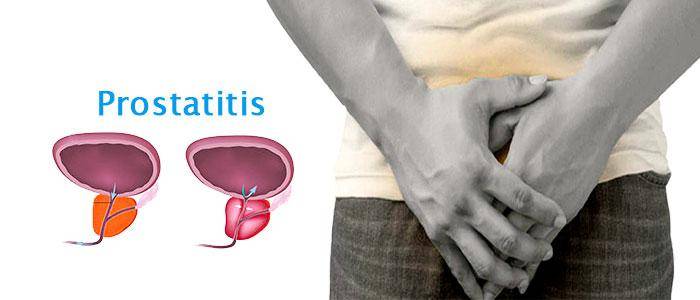
When there are symptoms of prostatitis, abnormal urination, perineal discomfort, and some sexual difficulties, the prostate may have some kind of problem. And in that case, quercetin for the prostate can offer help that other natural remedies do not.
Having antibacterial properties facilitates the elimination of so-called bacterial prostatitis, an infection of the prostate gland caused by microorganisms. This type of pathology can appear due to a strain of bacteria that, just like affecting the genitourinary system, can also affect the prostate.
While it’s not a medical treatment, it’s not a drug, it does act as a complementary therapy. It is common to recommend including foods rich in quercetin to prevent prostate problems and, if they appear, resorting to a quercetin supplement to increase its effectiveness.
Similar to allergies, it is quite common to find quercetin and bromelain for the prostate.
Anti-inflammatory Properties
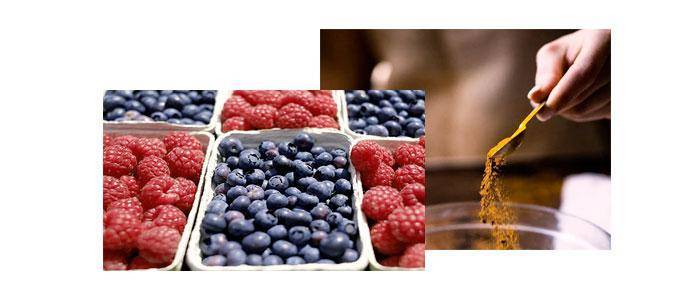
It plays a role within the body by inhibiting phospholipase A2 and Cox-2, both elements related to digestion and the management of the inflammatory response of the human body. This, in addition to being good for avoiding some inflammatory diseases, is also good for preventing an excessive response when coming into contact with allergens such as pollen.
But that’s not all…
Having inflammatory properties, quercetin can also be beneficial for other types of human pathologies such as arthritis, asthma, etc.
Other Properties and Benefits
Antioxidants, flavonoids, and the subgroup of flavonols to which quercetin belongs have anticancer properties.
There are different studies in which a battery of tests is carried out to verify how they can delay cellular aging and thus prevent errors in the duplication of human DNA. This, when cloned, can produce errors and these, in many cases, can produce tumor cells.
By including quercetin in the diet, we can reduce the risk of cancer.
But that’s not all…
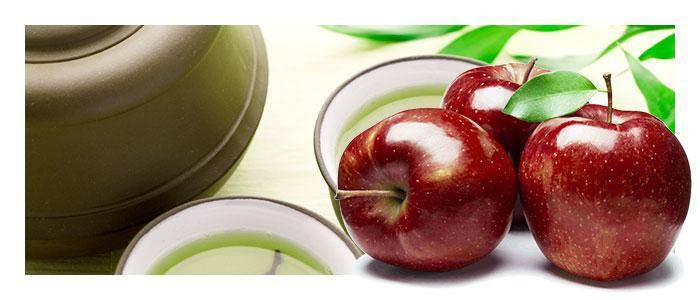
Quercetin has benefits for the blood. It makes it more fluid, often preventing the formation of clots, improving the capacity of the blood system, and also acting against the formation and assimilation of cholesterol.
All of this makes quercetin a wonderful natural antioxidant that, while helping us reduce cholesterol, also plays an important role in controlling hypertension.
Foods That Contain It
It is present along with many other nutrients in fruits and vegetables, possessing antioxidant and anti-inflammatory properties. Foods with quercetin are:
- Garlic.
- Blueberries.
- Onions.
- Ginkgo biloba.
- Apples.
- Buckwheat.
- Green tea.
- Grapes.
Remember that you often find it as quercitin or quercetin, although they are actually the same. A nutrient with medicinal properties to prevent allergies, protect against premature aging, and curb inflammation.
Quercetin and Bromelain
With this combination, in addition to being recommended in many cases for prostate problems, it also has its utility to reduce sciatic nerve pain.
Quercetin and bromelain alleviate the discomfort caused by the pinching of some nerves, reducing pain when the sciatic nerve is compressed.
Dr. Barbara Silbert of the Massachusetts Naturopath Society, United States, indicates that to obtain benefits with quercetin, it is necessary to take 1 g of bromelain and 500 mg of quercetin, both at the same time during the weeks when we feel discomfort in the lumbar area or when the sensation of cork or numb legs due to sciatica appears.
Quercetin and Histamine
Another of its properties and benefits in the human body is inhibiting the release of histamine. This idazolic amine is involved in the immune system response, so reducing its release, the amount produced, and released by the body will reduce allergies.
It also has effects on the central nervous system (CNS) and gastrointestinal functions.
Quercetin and Luteolin
The combination of these two flavonoids makes a powerful natural antioxidant, suitable for preventing skin aging and protecting against macular degeneration, an eye condition that is more likely to occur in the elderly.
Both flavonoids are anti-aging and help block oxidative stress. The antioxidant properties of luteolin are well known as it effectively protects against free radicals.
Quercetin and Resveratrol
They are good separately but taking quercetin and resveratrol together enhances their effectiveness. In addition to preventing damage caused by free radicals (antioxidant effects), they also play a significant role against obesity and the formation of adipose tissue.
Resveratrol and quercetin are two plant chemicals studied at the University of the Basque Country (UPV), within the Biomedical Research Center of the Network of Pathophysiology, Obesity, and Nutrition (CIBERobn), which conducted a study published in the European Journal of Nutrition. The study indicated that the combination of these two antioxidants not only protects against aging but also offers a response from the body against the formation of adipose tissue.
The effects detected validate the idea that some flavonoids and other classes of antioxidants such as resveratrol have both protective and metabolism-stimulating effects on fats, reducing white adipose tissue through thermogenesis, a system that maintains stable body temperature by burning stored fats with food surpluses.
Recommended Daily Dosage
- Allergy: 150 to 300 mg in adults per day.
- Sciatica: 500 mg of quercetin and 1,000 mg of bromelain 3 or 4 times a day.
- Quercetin and Luteolin: 750 mg 3 times a day.
To treat sciatica or alleviate pain caused by pinching of the sciatic nerve, you should take bromelain and quercetin at least 3 times a day at the indicated dosage. In cases where the discomfort is stronger, the quercetin dosage can be increased to 2,000 mg daily, that is, four times a day.
To feel better and avoid stomach discomfort, it’s ideal to take it with food. Some people are more prone to gastrointestinal irritation, stomach bloating, and nausea when they haven’t eaten anything.
Contraindications
In general, it is considered a very safe substance. However, some people may develop hypersensitivity, especially those with gastrointestinal problems. The contraindications of quercetin are:
- Gastritis.
- Stomach problems.
- Treatment with antihypertensives that interact with felodipine and estradiol.
- Pregnancy.
- Breastfeeding.
Side Effects
Something similar happens with its contraindications. Although it is rare to experience adverse reactions, in some cases, the following side effects of quercetin may occur:
- Nausea.
- Feeling of vomiting.
- Stomach pain.
- Abdominal swelling.
- Skin rash.
- Dizziness.
- Headache.
While side effects are rare, if it is your first time taking it, you should be cautious. When quercetin comes from foods, the risk is low, but its danger increases when ingested in the form of capsules or tablets with extracts of medicinal plants.
References
- Carper, Jean (1993). Los alimentos: medicina milagrosa. Grupo Editorial Norma. ISBN 958-04-2835-2.
- Gil Hernández, Ángel (2010). Tratado de Nutrición. Composición y calidad nutritiva de los alimentos. Editorial Panamericana. ISBN 978-84-9835-347-1.
- Quercetin dihydrate safety sheet on.
- Yang JY, Della-Fera MA, Rayalam S, Ambati S, Hartzell DL, Park HJ, Baile CA (2008). «Enhanced inhibition of adipogenesis and induction of apoptosis in 3T3-L1 adipocytes with combinations of resveratrol and quercetin». Life Sciences 82 (19-20): 1032-9.
- Jiri Mlcek et col. Review: Quercetin and Its Anti-Allergic Immune Response. Molecules 2016, 21, 623


