Bioflavonoids are natural soluble polyphenolic compounds. They are plant pigments that can be taken as capsules and pills with vitamin C, offering properties and benefits against free radicals, blocking skin aging, and stimulating natural collagen synthesis.
Contents
- 1 What are Bioflavonoids
- 2 Bioflavonoids and Vitamin C
- 3 With Ascorbic Acid
- 4 For Tinnitus
- 5 For Varicose Veins
- 6 For Hemorrhoids
- 7 Citrus Bioflavonoid Complex
- 8 What properties do citrus bioflavonoids have?
- 9 Vitamin P or Bioflavonoids
- 10 Where to Find Bioflavonoids
- 11 How are They Eliminated from the Body?
- 12 What Types of Natural Bioflavonoids Exist?
What are Bioflavonoids

They are chemical compounds produced by plants with benefits for tinnitus, hemorrhoids, allergies, and as heart protectors. Bioflavonoids are powerful antioxidants also known as Vitamin P. They are a class of pigments belonging to the group of flavonoids.
Bioflavonoids have a lot of biological activity in the human body. The most important is to exert a protective role against oxidation and damage caused by free radicals. They block the formation of this type of molecule that causes premature skin aging and DNA mutations, so they also fall into the category of anticancer and antimutagenic agents.
Many studies have demonstrated their great power to prevent the duplication of cancer cells, also serving to stimulate the circulatory system and promote the formation of collagen necessary for beautiful skin and protection against free radicals. This type of natural molecule is often simply called flavonoid.
Bioflavonoids and Vitamin C
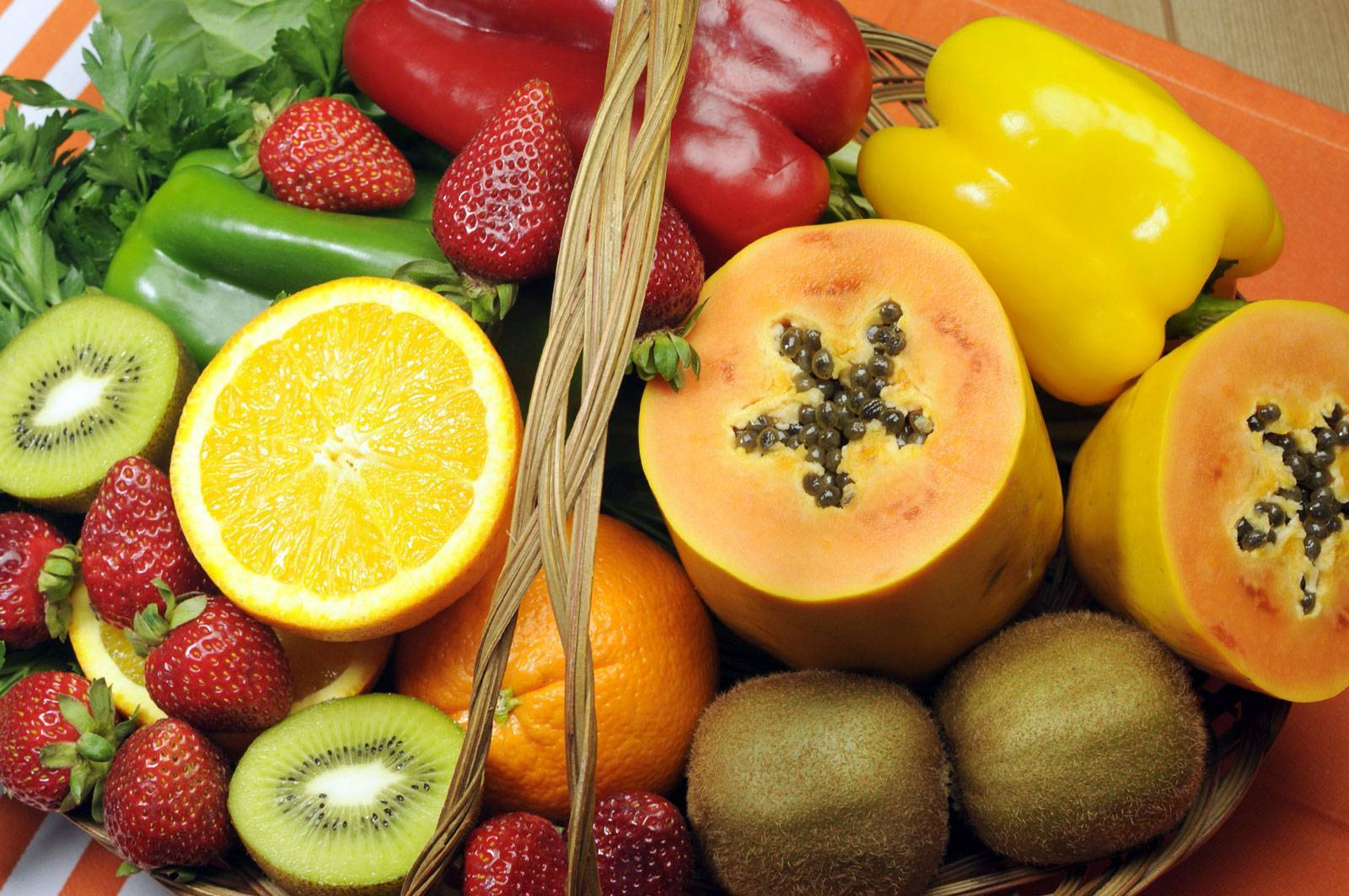
They increase the absorption of vitamin C or ascorbic acid, being very common to combine these two nutrients in many dietary supplements. And indeed, taking bioflavonoids and vitamin C will give us many healthy properties such as strengthening the immune system to fight respiratory infections, colds, sore throats, as well as other common problems that affect the larynx.
With Ascorbic Acid
It’s the same as in the previous case. Bioflavonoids with ascorbic acid can be found both in this form and as indicated with «vitamin C.» Ascorbic acid is called by both names, so if you see a product indicating one or the other, they will be the same.
To take natural bioflavonoids with vitamin C or ascorbic acid, make use of citrus fruits.
For Tinnitus
Tinnitus or ringing in the ears is a condition in which the patient perceives noises. These can be in one ear or both ears. The use of bioflavonoids for tinnitus is being studied. There is a study where the bioflavonoid called ipriflavone (7-isopropyl-isoflavone) of the isoflavonoid type was administered to check if it had results in reducing the noise caused by tinnitus. The study was conducted on 9 patients with tinnitus over a period of 6 months, improving the auditory system as long as ipriflavone had been administered before surgery to correct the problem. However, due to the low number of people treated in the study (9), it is necessary to verify its effectiveness in other cases.
For Varicose Veins
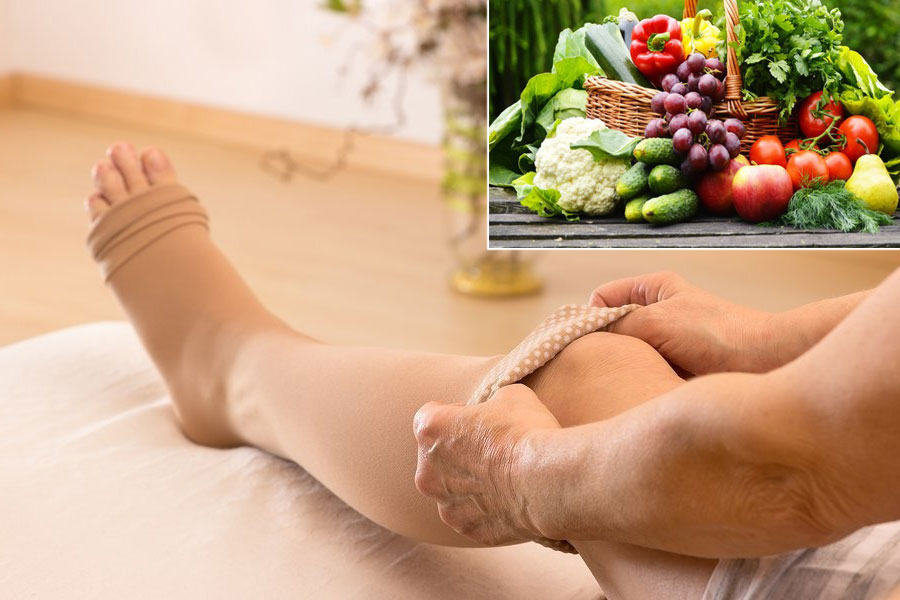
Their property to protect blood circulation and prevent thrombosis formation can be a great ally in varicose nodules, cases of chronic venous insufficiency, varicose dermatitis, and in reducing leg pain. Bioflavonoids for varicose veins have a soothing effect and stimulate blood circulation. They also promote deflammation, improving the drainage process and strengthening capillaries and blood vessels, having broad benefits for people predisposed to having varicose veins.
To benefit from the bioflavonoid in cases of varicose veins, you can consume them directly from fruits, making a smoothie with berries such as currants, blueberries, blackberries, or resort to supplements rich in this substance.
We recommend taking bioflavonoids of the Hesperidin type with vitamin C and E to more strongly stimulate blood circulation and prevent inflamed veins.
For Hemorrhoids
Usually, phlebotonic medications are used as they have therapeutic properties by increasing venous tone and decreasing capillary permeability.
In addition to resorting to medicine, which is highly recommended, the specialist may indicate the convenience of including bioflavonoids in the diet for hemorrhoids.
The origin of this recommendation is based on the anti-inflammatory properties of bioflavonoids and the stimulation of blood circulation. They are helpful in reducing swelling, promoting the return of fluids that cause hemorrhoids to appear. They also help reduce itching and burning.
Citrus Bioflavonoid Complex
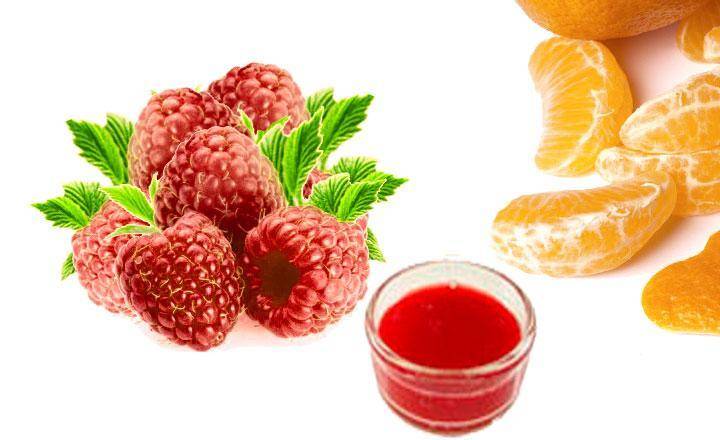
With this name, we find flavonoids obtained from citrus fruits such as lemon, orange, grapefruit, or pomelo. Citrus bioflavonoids are strong antioxidants indicated for:
- Circulatory problems.
- Cases of allergy.
- Infection of Herpes simplex.
- Premature skin aging.
- Rheumatoid arthritis.
- Asthma.
Taking bioflavonoids from lemon and other citrus fruits for several weeks stimulates blood circulation, preventing the formation of varicose veins, and in some cases, eliminating the sensation of tired legs. They also work well in cases of hemorrhoids and in people who frequently have nosebleeds.
In the case of the immune system, the secondary metabolites of plants, the polyphenolic compounds we are discussing in this article, work well to help regulate allergy and the response of cells responsible for fighting pathogens and foreign substances. They are usually effective in cases of hives, rashes, contact dermatitis, and for controlling allergic reactions and asthma.
Also, as with the rest of bioflavonoids, citrus fruits are an ideal complement to aid in the recovery of muscle injuries as they reduce inflammation and stimulate the formation of new collagen. To improve tissue regeneration, arnica cream, which is anti-inflammatory, can be used along with one or two bioflavonoid capsules per day.
What properties do citrus bioflavonoids have?
The same as the rest, but if you use them through fruit, you will reinforce the immune system much more. Citrus fruits contain a large amount of vitamin C, a fundamental nutrient for stimulating healing and fighting against free radicals. But to make it clearer, below we include a list of all the properties of citrus bioflavonoids:
- Accelerate healing.
- Block free radicals.
- Reduce inflammation.
- Improve the immune system response.
- Protect the heart.
By acting as natural antioxidants, bioflavonoids help us by blocking the free radicals circulating in the body and preventing damage from solar radiation on the skin. They also play an important role in reducing inflammation, preventing the accumulation of fluids when a hematoma occurs.
At the same time, they improve blood circulation, favoring the appearance of fewer deposits of adipose tissue in the arteries, which directly affects the heart’s capacity. This organ works with less effort, and blood can circulate more smoothly through the arteries, avoiding the risk of coronary diseases.
Vitamin P or Bioflavonoids
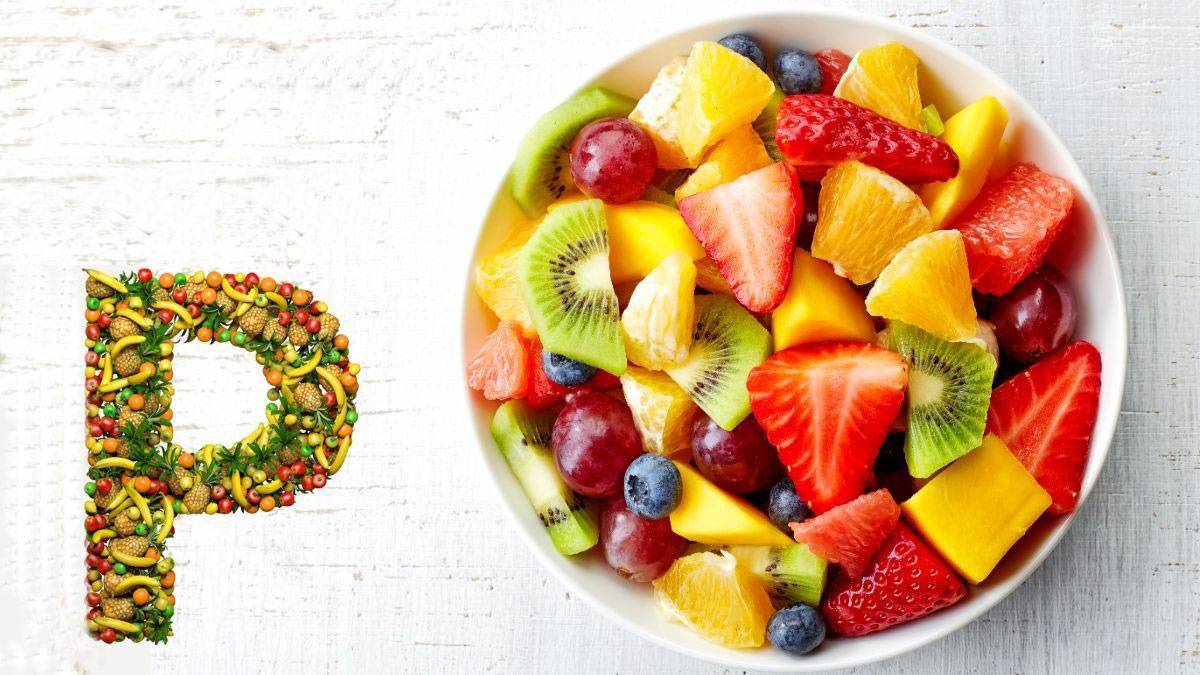
Formerly known as «Vitamin P,» they are now classified as bioflavonoids.
Vitamin P or complex P is known for being linked to vitamin C. It increases its absorption in metabolism when passing through the gastrointestinal tract, a characteristic that makes it ideal to take together with lactobacilli to restore vitamin deficiencies and reinforce its action.
Among the properties of bioflavonoids or vitamin P, we can find inhibition of histamine release, reduction of inflammation, and better immune system response against viruses and bacteria. It also promotes the absorption of iron from food.
Where to Find Bioflavonoids
- In foods such as fruits and vegetables (artichoke, lemon, orange, etc.).
- In dietary supplements.
The most common source to obtain bioflavonoids is citrus fruits. In the white part of oranges, grapefruits, and lemons, there is a large amount of bioflavonoids, although there is also a good percentage within the pulp.
How are They Eliminated from the Body?
Through urine. The excess bioflavonoids are expelled from the body through urination. It is possible to see a change in urine color if you have taken them in pill form since, being pigments that plants use to give color to leaves and flowers, their presence in urine can also change it.
However, this is not a problem; it simply indicates that the urine contains what the body cannot utilize. Thus, it is a protective mechanism of the body to prevent accumulation when it doesn’t need them or can’t metabolize them.
What Types of Natural Bioflavonoids Exist?
There are many cataloged bioflavonoids, and as studies progress, new ones emerge. However, the most well-known for their properties and benefits are Quercetin and Rutin.
Quercetin is widely used as a aid for the cardiovascular system. It promotes blood circulation and acts as an antioxidant, protecting the heart, arteries, and the entire blood system.
Rutin is a very well-known bioflavonoid for its properties in combating allergies and promoting the elimination of bacterial and viral infections such as Herpes simplex. Additionally, it acts against tissue inflammation, so rutin bioflavonoid is also considered a natural anti-inflammatory.
Hesperidin is part of the citrus bioflavonoid complex and has anti-inflammatory action, being used for hemorrhoids, varicose veins, phlebitis, and to control hypertension.


