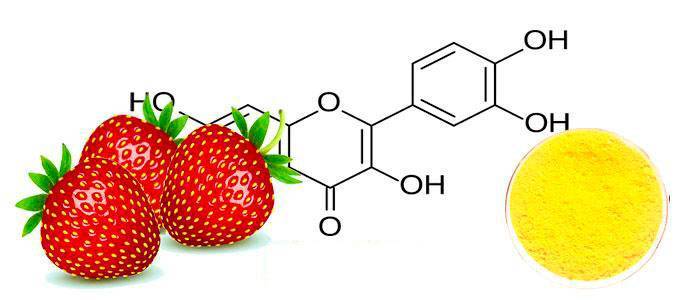
Fisetin is one of the flavonoids that can be found in natural foods such as vegetables and fruits. It is a flavonol that belongs to the group of flavonoids and to the set of plant chemical compounds called polyphenols.
Its scientific nomenclature is 3,7,3′,4′-tetrahydroxyflavone and its name in English is Fisetin.
Medicinal Properties of Fisetin
- Anti-aging.
- Anti-inflammatory.
- Caloric mimetic restriction.
- As an antitoxin for aflatoxins in cereals and nuts.
- Activators of sirtuins.
- Epigenetic or gene activating.
- Blood sugar regulators.
- Preservers of long-term memory.
- Dark green color.
- As a yellow dye.
Discovered by Josef Herzig in 1891, fisetin is a flavonol with antioxidant and protective properties. It has the property called caloric mimetic restriction that allows cells to live longer.
Unlike other flavonols, most isoflavones, and other flavonoids, fisetin is toxic. It can also cause DNA mutation.
Although its toxic effects are mild, they should always be considered if you wish to include it in your diet through one of the supplements enriched with fisetin.
Another property of fisetin is that it activates sirtuins, enzymes that regulate the expression of some genes (epigenetics). This quality is related to the mentioned caloric restriction which, in vivo, has been shown to extend the life of cellular tissues, serving to rejuvenate cells, keep skin younger, and ultimately could serve as a basis for developing studies that make humans live longer.
It also has benefits for memory, improving long-term memory function. The study by P. Maher et al. conducted an analysis to verify if, indeed, people who consumed foods with fisetin had an increase in long-term memory or, alternatively, preserved it intact as they aged.
The cited study was conducted with mice, indicating that there was an increase in proteasome activity, keeping nerve cells active for longer periods, which are involved in the development of dementia, Parkinson’s, and Alzheimer’s.
The same scientist has also conducted another study, but instead of verifying cognitive ability, this time he focused on the effects and properties of fisetin for diabetes. According to Maher himself, a diet rich in strawberries, fruit with a high amount of fisetin, reduces blood sugar levels.
The study also showed data on the anti-inflammatory properties common to all flavonoids.
Fisetin and Citrulline
It is quite common to find the combination of the amino acid citrulline with the flavonoid fisetin.
These are used against intestinal inflammation, gastrointestinal disorders, irritable bowel syndrome, and conditions affecting the digestive tract.
Foods
- Alfalfa (Medicago sativa).
- Peas (Vicia sativa).
- Persimmons (/kaki/)).
- Onions (Allium).
- Strawberries (Fragaria).
- Chickpeas (Cicer arietinum).
- Green peas (Pisum sativum).
- Fava beans (Vicia faba).
- Beans (Phaseolus vulgaris).
- Lentils (Lens culinaris).
- Cucumbers (Cucumis sativus).
- Peanuts (Arachis hypogaea).
- Apples (Malus domestica).
- Tamarind (Tamarindus indica).
- Tea (Camellia sinensis).
- Soybeans (Glycine max).
- Grapes (Vitis).
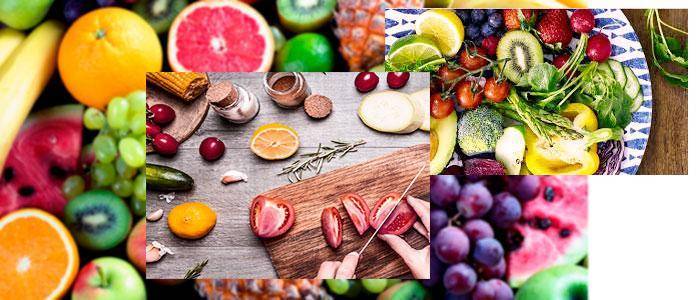
The most common foods with fisetin are those from the Fabaceae family, legumes and pulses such as lentils, chickpeas, as well as many fruits like persimmons, strawberries, etc.
This flavonoid can also be found in other non-edible plants, but used by humans for their invaluable therapeutic value. These can be prepared in herbal teas, infusions, or tea and also combined with the properties and benefits of kaempferol, another very interesting flavonol for its anticancer effects.
References
- Fisetin Lowers Methylglyoxal Dependent Protein Glycation and Limits the Complications of Diabetes, P. Maher & al.
- Herzig, J. (1891). «Studien über Quercetin und seine Derivate, VII. Abhandlung» [Studies on Quercetin and its Derivatives, Treatise VII]. Monatshefte für Chemie (in German) 12 (1): 177-90.
- Sahu, Bidya Dhar; Kalvala, Anil Kumar; Koneru, Meghana; Kumar, Jerald Mahesh; Kuncha, Madhusudana; Rachamalla, Shyam Sunder; Sistla, Ramakrishna. «Ameliorative Effect of Fisetin on Cisplatin-Induced Nephrotoxicity in Rats via Modulation of NF-κB Activation and Antioxidant Defence«. PLoS One 9 (9).
- Forbes TDA, Clement BA. «Chemistry of Acacia’s from South Texas«. Texas A&M Agricultural Research and Extension Center at.
- Gábor, M.; Eperjessy, E. (1966). «Antibacterial Effect of Fisetin and Fisetinidin«.
- Arai, Y.; Watanabe, S.; Kimira, M.; Shimoi, K.; Mochizuki, R.; Kinae, N. (2000). «Dietary intakes of flavonols, flavones and isoflavones by Japanese women and the inverse correlation between quercetin intake and plasma LDL cholesterol concentration». The Journal of nutrition 130 (9): 2243–2250.
- Fiorani, M.; Accorsi, A. (2005). «Dietary flavonoids as intracellular substrates for an erythrocyte trans-plasma membrane oxidoreductase activity«. The British journal of nutrition 94 (3): 338–345.
- Maher, Pamela; Dargusch, Richard; Ehren, Jennifer L.; Okada, Shinichi; Sharma, Kumar; Schubert, David (2011). «Fisetin Lowers Methylglyoxal Dependent Protein Glycation and Limits the Complications of Diabetes«. En Deli, Maria A. PLoS ONE 6 (6): e21226.
- Viñas, P.; Martínez-Castillo, N.; Campillo, N.; Hernández-Córdoba, M. (2011). «Directly suspended droplet microextraction with in injection-port derivatization coupled to gas chromatography–mass spectrometry for the analysis of polyphenols in herbal infusions, fruits and functional foods». Journal of Chromatography A 1218 (5): 639–646.
- Arai, Y.; Watanabe, S.; Kimira, M.; Shimoi, K.; Mochizuki, R.; Kinae, N. (2000). «Dietary intakes of flavonols, flavones and isoflavones by Japanese women and the inverse correlation between quercetin intake and plasma LDL cholesterol concentration». The Journal of nutrition 130 (9): 2243–2250.
- De Santi, C.; Pietrabissa, A.; Mosca, F.; Pacifici, G. M. (2002). «Methylation of quercetin and fisetin, flavonoids widely distributed in edible vegetables, fruits and wine, by human liver». International journal of clinical pharmacology and therapeutics 40 (5): 207–212.
- David A. Sinclair et al. «Discover three classes of molecules that activate sirtuins (Including Resveratrol)«.
- Maher et al.: «Flavonoid fisetin promotes ERK-dependent long-term potentiation and enhances memory». Proceedings of the National Academy of Sciences of the United States of America 103 (44) (2006).


