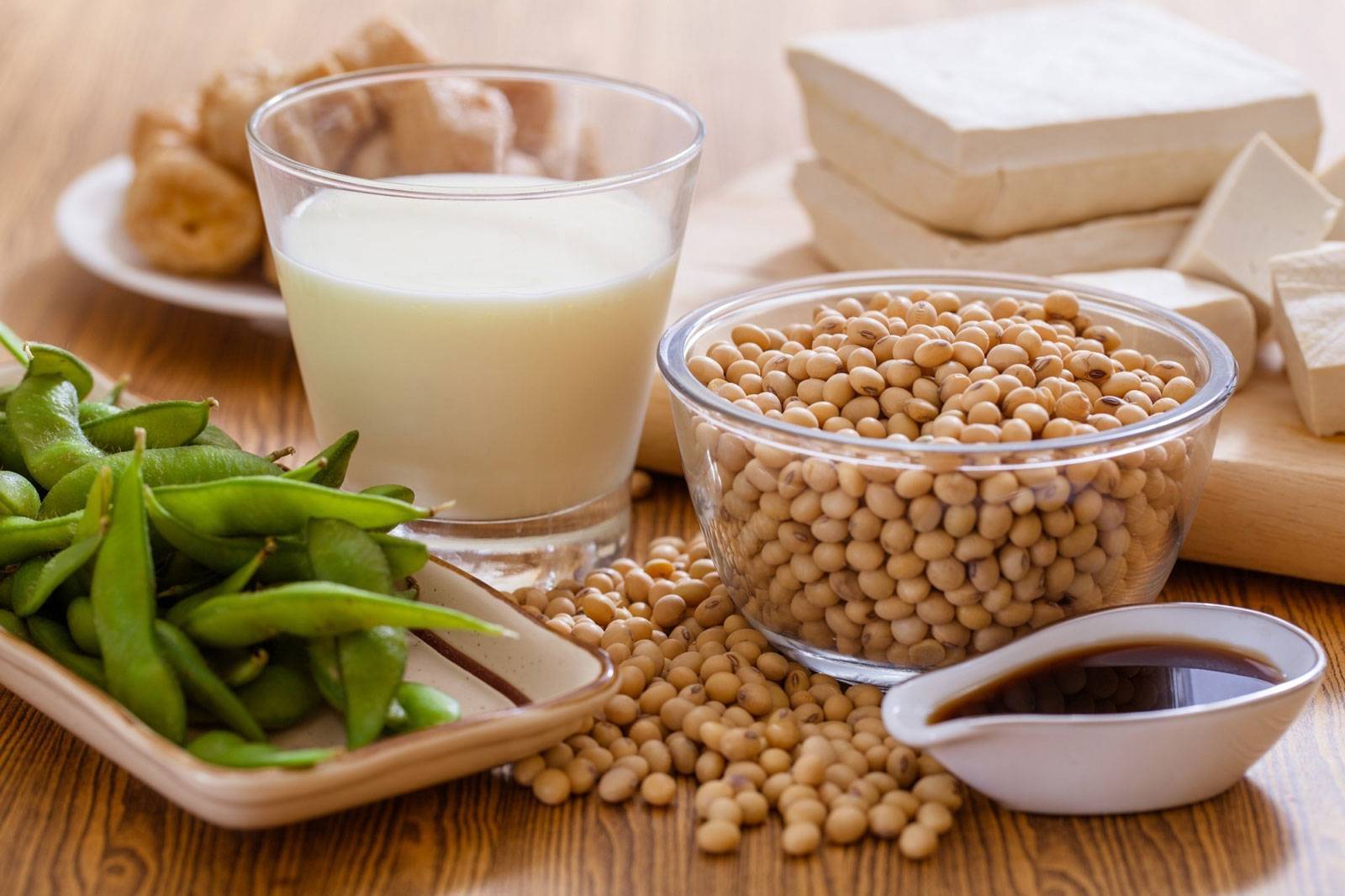
Soy isoflavones are chemical compounds with estrogenic action, meaning they contain pigments that act similarly to female estrogens.
This type of nutrient is present in many foods, the main and most well-known being soy. Although it can also be obtained from other natural products such as red clover, oranges, by eating grapes and cherries, or through natural drinks based on black and green tea, or with a small amount of beer, red and white wine.
Most fruits and vegetables are rich in phenolic compounds with antioxidant properties, hence their great properties and benefits for human beings. However, the most interesting property of soy isoflavones is their regulatory function of female estrogens.
Contents
- 1 What are soy or soy isoflavones?
- 2 What are they for
- 3 Properties and benefits
- 4 Contraindications
- 5 Side Effects
- 6 Do Soy Isoflavones Make You Gain Weight?
- 7 Foods
- 8 Nutritional Composition
- 9 How to Take the Soy Isoflavone Dose
- 10 How Long Does It Take for Them to Take Effect?
- 11 How Long Should They Be Taken?
- 12 Soy Isoflavones and Hops
- 13 Soy Isoflavones and Evening Primrose Oil
- 14 References
What are soy or soy isoflavones?
This is important because the body does not distinguish soy isoflavonoids from those produced by the body naturally, so when it encounters them, it uses them in the same way as if they were synthesized within the body.
Soy and its isoflavones function as selective modulators of estrogen receptors. They improve systemic blood pressure, strengthen blood vessels and capillaries, reducing the risk of coronary heart disease.
Genistein contained in soy is an isoflavone that helps bone formation, reducing bone material destruction. Something that can be used just after menopause when many women start to have bone weakness. Genistein promotes endothelial function, preserving vascular health and reducing the risk of atherosclerosis.
It is also proven to reduce hypercholesterolemia, meaning it inhibits the increase of cholesterol in the blood.
There are also indications from several laboratory studies that eating soy every day could be a good ally in regulating blood glucose, reducing insulin in serum and resistance to it, which brings us to the next topic.
What are they for
We have mentioned that they contain natural estrogens and these act similarly to those produced by the human body, not being able to differentiate once the isoflavones are inside the body.
In the regulation of estrogens, they are useful to prevent symptoms produced by menopause, decreasing hot flashes, the sensation of heat, and mood swings characteristic of climacteric.
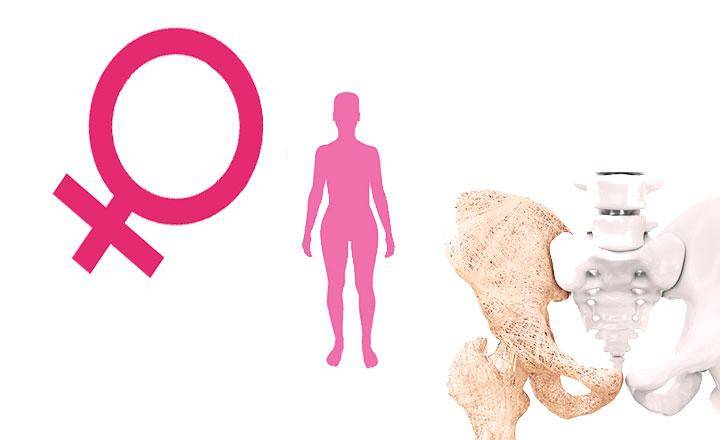
To strengthen bones and maintain dense bone system, soy isoflavones help fix calcium, favoring bone density. They are usually used in cases of postmenopausal osteoporosis and problems related to the musculoskeletal system. They are positive for slowing down bone resorption in women and men over 45 years old. In others, they also have the same effects, only, having stronger bones, their properties are less noticeable in these cases.
For arteriosclerosis, they can be positive as they reduce arterial fat tissue. There are many studies indicating that they may be related to the control of LDL cholesterol. Soy isoflavones have a hypocholesterolemic effect.
To protect against free radicals because, being part of the flavonoid family, soy isoflavones block the damage these molecules do to the body, slowing premature aging and LDL oxidation.
Properties and benefits
- Regulation of estrogens.
- Help increase bone density during menopause and osteoporosis, being a help against bone weakness.
- Protection of the cardiovascular system.
- Blocking of potential damage from free radicals.
- Antioxidants and as a preventive measure against some types of cancer.
- Facilitates weight loss.
We can tell you a lot about the facets and benefits of soy isoflavones, but since all their properties are shared by the same group of natural chemical compounds, it is ideal that if you want to thoroughly know these, you see the properties of isoflavones. Soy ones are the same, as soy is one of the foods that contain them. Additionally, you will discover other healthy foods that you can add to complement your diet rich in isoflavonoids.
Contraindications
Contraindications of soy isoflavones are not excessively broad, although they should always be taken into account. These are as follows:
- Pregnancy.
- Having diabetes.
- Hypersensitivity or allergy to flavonoids since isoflavones are part of these.
- Soy allergy.
- Hypothyroidism.
- Oncological treatment, breast cancer, and the use of anticancer medications.
- Gastrointestinal problems.
- Children and babies.
- Familial history of breast cancer or thyroid problems.
During pregnancy and breastfeeding, there are no studies demonstrating their benefits and properties or their drawbacks, so they should not be taken as supplements or pills since their concentration will be high and, in case of producing side effects, they may be more potent than if you consume fruit or simply a soy yogurt.
In the case of diabetes, flavonoids and isoflavones modify the glycemic index and interact with metabolism fats, potentially varying blood glucose levels.
If you have an allergy to soy and its derivatives, as well as hypersensitivity to flavonoids, you should not take them.
Regarding hypothyroidism, soy contains genistein, a type of isoflavone that can interact with and inhibit thyroid microsomal peroxidase, as well as thyroxine levels. These are important for controlling and preventing the onset of hypothyroidism, so if you suffer from it, it could produce unwanted effects, aggravation of the condition, and inappropriate treatment outcomes if taken.
People with cancer should avoid taking concentrated soy isoflavone products or supplements. The use of antioxidants, flavonoids, and plant secondary metabolites can produce abnormalities in the control and effects of oncological therapy.
Additionally, if you have stomach discomfort, avoid consuming them until you feel better. Afterwards, you can take them normally.
It is not recommended to administer them to children and babies as the amounts and reference doses are always based on adults.
Side Effects
Here we refer you again to the main article on isoflavones since the adverse reactions and unwanted effects they produce are the same if they occur. You can see them in side effects of isoflavones.
Any doubt that is not resolved, we will try to delve into.
In addition to this, you should also know that soy isoflavones can be used for more than just menopause, so let’s see the most common cases.
Do Soy Isoflavones Make You Gain Weight?
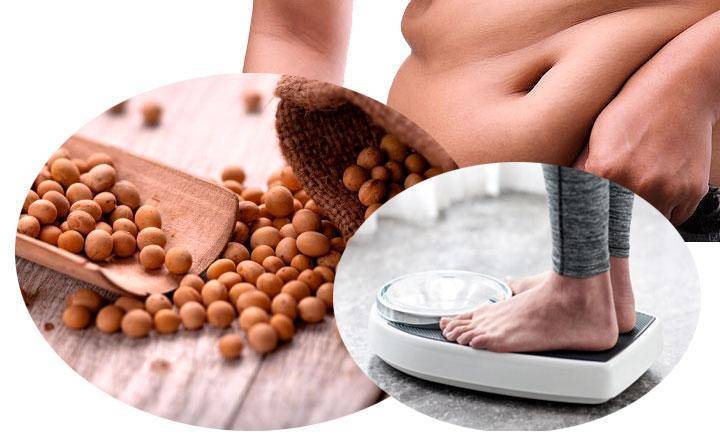
Flavonoids and polyphenolic compounds do not have the ability to cause weight gain. Soy isoflavones do not make you gain weight. Many people have doubts about this topic because they are concerned about their physical appearance and do not want to gain weight.
Soy protein, in addition to having estrogenic effects, also modulates hyperglycemia, promoting weight loss. It controls hyperlipidemia or blood lipids while also controlling hyperinsulinemia or excess blood insulin. These two properties are very helpful for people with diabetes and those who are obese, but always take them with caution if you are diabetic.
Foods
- Soybeans.
- Tofu.
- Tempeh.
- Miso (depending on its preparation).
- Shiro.
- Shoyu.
- Soy sauce.
- Soy oil.
- Soy lecithin.
- Glycine max or soy sprouts.
- Edamame.
- Tamari.
- Soy milk or soy milk.
- Natto.
- Vegetable margarine (depending on the brand).
- Yuba.
All products made from Glycine Max, which is the plant that produces it, such as flours, oils, and many foods prepared with soy milk suitable for vegans and vegetarians.
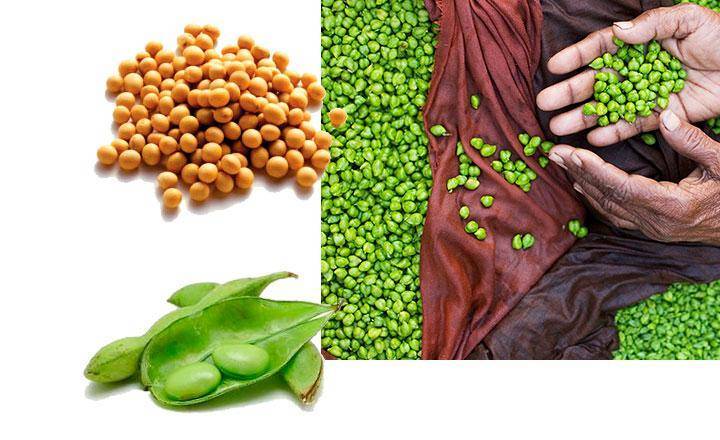
Its soy content in isoflavones is higher than that of other foods such as green tea, grapes, or citrus fruits, so its properties are more potent.
Soy is considered the best food to obtain isoflavonoids.
Nutritional Composition
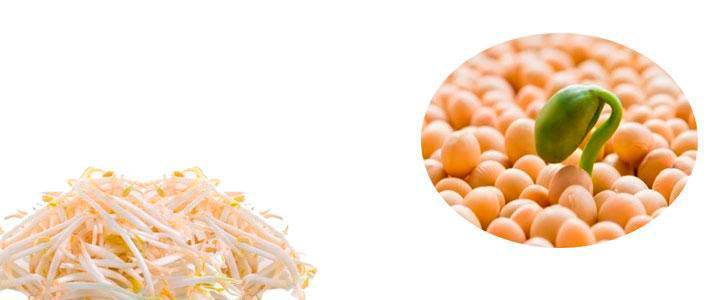
It is one of the foods with the highest amount of isoflavones. Soy contains 300 mg. per every 100 g. of tender shoots. Soy isoflavones are well known for their estrogenic properties. The discovery of the composition of isoflavonoids in soy was made in 1923 by Edward Adelbert Doisy, who mentioned the benefits this food could have when consumed daily.
The most important isoflavones in soy are genistein and daidzein, although we can also find other very important trace elements in human nutrition.
Below, we indicate the composition of soy so you can assess its importance besides the isoflavone content:
| Content per every 100 g. of soy | |
| Nutrient | Content |
| Energy | 446 kcal. |
| Proteins | 36.5 g. |
| Total lipids | 19.9 g. |
| Saturated fatty acids | 2.9 g. |
| Monounsaturated fatty acids | 4.4 g. |
| Polyunsaturated fatty acids | 11.2 g. |
| Cholesterol | 0 mg. |
| Omega 3 | 1.3 g. |
| Omega 6 | 9.9 g. |
| Total carbohydrates | 30.2 g. |
| Sugars | 7.3 g. |
| Fiber | 9.3 g. |
| Calcium | 277 mg. |
| Sodium | 2 mg. |
| Vitamin A | 22 IU |
How to Take the Soy Isoflavone Dose
- Between 40 and 80 mg. of soy isoflavones per day.
Ideally, pay attention to the amount of soy and isoflavones in the product you are going to take to regulate the daily dose, make it precise, and never exceed it.
Not all foods provide the same amount of isoflavones per gram of food, and supplements rich in isoflavonoids do not contain the same proportions either.
It is important to follow the doctor’s instructions if consultation is necessary or to follow the dosage on the product label if purchased.
In the case of using a soy isoflavone supplement, the ideal and normal practice is to start with one capsule per day, which is 40 mg. of isoflavones, and in case of severe or persistent symptoms, increase the dose to 80 mg..
For Menopause
- Preferably in the mornings with a glass of water.
This prescription is only for isoflavone pills. If you take them from food sources, these instructions do not apply. Natural sources of isoflavones can be consumed at any time of the day, just like other healthy foods.
How Long Does It Take for Them to Take Effect?
- From 2 weeks after starting to take them.
To notice the beneficial effects on the body, it is necessary to wait a period of time from the start of the first intake of isoflavone capsules.
From day 14, you may notice their effects, reducing flushing and menopausal hot flashes.
If you consume foods with isoflavones, there won’t be such a marked before and after, but rather, the effects will be gradual and cumulative. Gradually, you will feel less discomfort and more well-being.
How Long Should They Be Taken?
It all depends on whether you take them from foods or from capsules or pills included in dietary supplements.
If you consume them from foods, there is no stipulated time, so you can take them for a lifetime just like any other natural products.
However, if you add them to your body with pills, you should always follow the product instructions. There is a wide variety of them, so some may have longer or shorter periods.
The duration of soy isoflavone intake is determined by the discomfort you want to alleviate, as well as the source from which you obtain them.
In any case, if you have decided to take them to feel better but without a medical prescription, you can finish the container and then take a break for the same amount of time. In other cases, your doctor should guide you.
Soy Isoflavones and Hops
Here we combine two nutrients with many benefits for menopause: isoflavones and hops.
Hops is a natural plant with benefits for alleviating menopausal symptoms, often considered more effective and potent.
Hops composition in phytoestrogens is high, even higher than soy. Its content of 8-prenylnaringenin (8PN), which is a flavonoid, acts against menopausal hot flashes, flushing, and the general discomfort that occurs in female climacteric, the transition between fertility and old age.
Soy Isoflavones and Evening Primrose Oil
Another way to take soy isoflavones is with evening primrose oil because both complement each other and can help with the discomfort of premenstrual syndrome.
Evening primrose (Oenothera biennis) is a plant from which medicinal oil is produced, rich in linoleic acid, gamma-linolenic acid, Omega 6, and essential polyunsaturated fatty acids.
Combining isoflavones with evening primrose oil is a natural solution for relieving the discomfort of premenstrual syndrome. In some cases, it works well for painful periods, bloating, and breast sensitivity due to hormonal changes.
References
- Somekawa Y, Chiguchi M, Ishibashi T et al . Soy intake related to menopausal symptoms, serum lipids, and bone mineral density in postmenopausal Japanese women. Obstet Gynecol , 2001; 97(1): 109-15.
- Posadzki P, Lee MS, Moon TW, Choi TY, Park TY, Ernst E. Prevalence of complementary and alternative medicine (CAM) use by menopausal women: a systematic review of surveys. Maturitas. 2013 May.
- Huntley AL, Ernst E. A systematic review of herbal medicinal products for the treatment of menopausal symptoms. Menopause. 2003.
- Goodman NF, Cobin RH, Ginzburg SB, Katz IA, Woode DE. American Association of Clinical Endocrinologists medical guidelines for clinical practice for the diagnosis and treatment of menopause. Endocr Pract. 2011.
- Reid R, Abramson BL, Blake J, Desindes S, Dodin S, Johnston S, Rowe T, Sodhi N, Wilks P, Wolfman W. Menopause and Osteoporosis Working Group.
- Nakashima S, Koike T, Nozawa Y . Genistein, a protein tyrosine kinase inhibitor, inhibits thromboxane A2-mediated human platelet responses. Mol Pharmacol , 1991..
- T, Sodhi N, Wilks P, Wolfman W. Menopause and Osteoporosis Working Group; Society of Obstetricians and Gynaecologists of Canada. Managing menopause. J Obstet Gynaecol Can. 2014.
- Fortier M, Reid R, Abramson BL, Blake J, Desindes S, Dodin S, Graves L, Guthrie B, Khan A, Johnston S, Rowe
- Farzaneh F, Fatehi S, Sohrabi MR, Alizadeh K. The effect of oral evening primrose oil on menopausal hot flashes: a randomized clinical trial. Arch Gynecol Obstet. 2013.
- Gartoulla P, Davis SR, Worsley R, Bell RJ. Use of complementary and alternative medicines for menopausal symptoms in Australian women aged 40-65 years. Med J Aust. 2015.
- Gentry-Maharaj A, Karpinskyj C, Glazer C, Burnell M, Ryan A, Fraser L, Lanceley A, Jacobs I, Hunter MS, Menon U. Use and perceived efficacy of complementary and alternative medicines after discontinuation of hormone therapy: a nested United Kingdom Collaborative Trial of Ovarian Cancer Screening cohort study. Menopause. 2015.
- ichard J Santen, Charles L Loprinzi, Robert F Casper. Menopausal hot flashes. This topic last updated: Aug 22, 2016. In: Uptodate, Robert L Barbieri, William F Crowley (Ed), UpToDate, Waltham, MA, 2016.
- American College of Obstetricians and Gynecologists (ACOG). Management of menopausal symptoms. Washington (DC).


