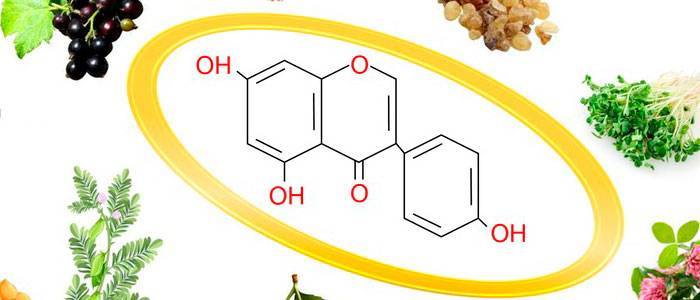
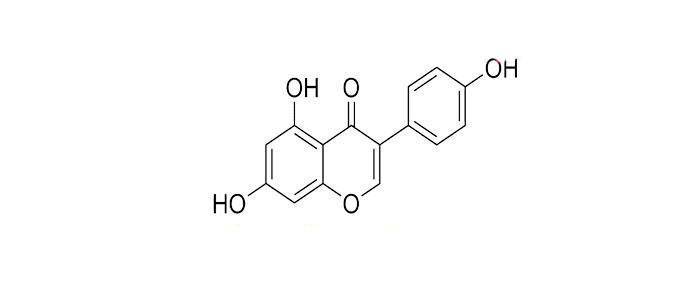
Genistein is a phytoestrogen or plant chemical derived from foods like soy. It is a flavonoid belonging to the group of isoflavones and has cardioprotective and anticancer properties.
Considered a phytoestrogen (similar to human estrogen), it thus plays important roles in health when ingested. It can modify certain discomforts and mimic the function of estrogens.
Genistein was discovered in 1899 from Genista tinctoria, a plant in the Fabaceae family. Its name derives from the plant from which it was first isolated. In 1928, it was successfully synthesized in the laboratory.
Contents
Properties of Genistein
- Reduce menopausal discomfort.
- Anticholesterol or hypocholesterolemic.
- Anticancer protective.
- Prevent osteoporosis.
The properties of genistein are due to its agonist estrogenic activity through interaction with 17-β-estradiol receptors.
Genistein for menopause is an element that can help reduce hot flashes and discomfort when women reach perimenopause. Phytoestrogens are known to regulate female estrogenic function, reducing the intensity of hot flashes and regulating lipid profile (decreasing LDL cholesterol).
Its beneficial effects on blood cholesterol levels have also been studied. When a person ingests genistein for several days, decreases in bad cholesterol can be detected, which poses a risk to cardiovascular health.
When cholesterol accumulates above 240, there is a greater probability of suffering a myocardial infarction. High cholesterol also promotes accumulation in the arteries, hindering blood flow and forcing the heart to pump harder.
The benefits for cancer prevention are also proven, acting as an antioxidant.
According to recent studies, genistein properties would be beneficial for these cases, that is, functional for cholesterol control, as an adjunct to treat symptoms associated with menopause. And as an antioxidant that protects against free radicals.
Menopause

Studies have shown that consumption of soy rich in genistein modulates the response of endogenous estrogens, making genistein useful for controlling some menopausal symptoms such as hot flashes.
Also, just before entering menopause, women produce many more estrogens, which could play an important role in controlling some diseases resulting from this increase.
Let’s remember that the presence of phytoestrogens in the body invalidates the function of real estrogens, which is why it is considered that it may help prevent some types of tumor growth by reducing the functioning of premenopausal estrogens.
After menopause, they also have important properties. Estrogens in women decrease, causing a series of situations and known pathologies. The presence of genistein and isoflavones in menopause, which simulate natural estrogen, can compensate for the lack of these. Specifically, it is considered a chemical that helps prevent osteoporosis in postmenopausal women.
Cancer
Isoflavones have anticarcinogenic activity. Both in vitro studies and those conducted on real people have shown that they can inhibit tumor growth. Maintaining a balanced diet with foods rich in genistein can reduce the risk of cancer.
Although more data on its benefits for humans are currently being obtained, genistein inhibits the growth of tumor cells by affecting the activity of tyrosine kinase and activated growth factor receptors. It also interacts with cytoplasmic tyrosine kinase, inhibiting DNA topoisomerases, which are crucial for mitogenic signal transduction.
Genistein isoflavone has estrogenic effects. It acts as an estrogen antagonist, regulating growth as well.
High estrogen levels indicate that there may be an increased risk of cancer, and since genistein blocks them, it reduces this situation.
Osteoporosis
Bone loss is a problem that affects mainly women after menopause. The use of genistein indicates that increasing consumption of phytoestrogen-rich foods facilitates bone protection, increasing bone density.
There are promising results when used as hormone replacement therapy (HRT) to control patients with osteoporosis. Although it is not currently being used for this disease, there is data indicating that it could help generate new bone tissue.
Other Properties and Benefits of Genistein
As is typical of the flavonoid family, which is considered potent antioxidants, genistein is a good ally in preventing the risk of heart disease.
Its antioxidant, hypocholesterolemic, and antiestrogenic effects regulate many body functions, preventing the accumulation of arterial cholesterol and thus improving heart health.
The antioxidant properties of genistein block the action of free radicals, increasing the activity of antioxidant enzymes present in the human body.
Uses in Cosmetics
In addition to the properties mentioned, genistein is a powerful antioxidant, blocking oxidative stress and damage caused by free radicals.
The topical use of genistein has anti-aging properties, preventing environmental factors from damaging the skin. It is common to see this isoflavone as part of the composition of anti-aging creams and treatments to eliminate wrinkles and prevent expression lines.
Genistein uses in cosmetics are for the development of anti-wrinkle and anti-aging creams. Isoflavones have shown to have blocking effects on oxidative damage to the skin. They can prevent skin disorders caused by solar radiation (UVA and UVB), preventing the appearance of facial spots (hyperpigmentation) and premature aging of skin tissue in the form of wrinkles.

It is an ingredient in anti-wrinkle creams and sunscreens.
Function
Like other phytoestrogens (lignans and coumestans), genistein serves to or has the function of:
- Decreasing the effects of estrogens.
- Increasing the effects of estrogens.
Depending on where this phytoestrogen ends up, it can modulate the functioning of estrogens in both pathways.
Genistein stimulates cellular receptors more gently than natural estrogens, preventing the estrogen produced by the body from attaching. It inhibits its function. This results in the estrogen produced in the body not producing the expected effects.
Side Effects
- Impaired blood clotting.
- Increased estrogen function.
- Congenital malformation.
- Increased menstruation.
Generally, genistein has no side effects when taken through soy-derived foods. However, individuals receiving medical treatment should monitor their intake because it could potentiate the effects of some medications.
Currently, no harmful effects on humans have been demonstrated, considering a maximum dose of 100 mg per kilogram of the person’s weight taking this phytoestrogen.
In mice, it has been observed to cross the placental barrier, reaching the central nervous system (CNS). This is why its consumption during pregnancy is not recommended.
Although its side effects have been poorly studied, there is also data on the inhibition of thyroid microsomal peroxidase and decrease in thyroxine levels, which are risk factors for the development of hypothyroidism, thyroid adenocarcinoma, and goiter.
Children should not consume supplements or medications with isoflavones except in cases where a doctor recommends it. Children have higher plasma levels of isoflavones and are much more sensitive to their estrogenic effects than adults.
The combined use of genistein, daidzein, and glycitein can prolong menstruation. An adverse effect that disappears a few days after stopping its intake.
Contraindications
- Cytochrome P 450 treatment.
- Alcohol.
- Theophylline.
- Phenacetin.
- Tolbutamide.
- Diabetes.
- Oral anticoagulants.
- Patients diagnosed with breast cancer.
Soy and its derivatives containing genistein are enzymatic inhibitors of cytochrome P 450.
Consumption of alcoholic beverages should be avoided while taking isoflavones of the daidzein, genistein, and glycitein class as they could increase toxic effects.
The intake of ipriflavone (synthetic isoflavone), a pharmacological derivative of isoflavones, should also be monitored.
Diabetics should be monitored as isoflavones inhibit tyrosine kinase receptors, blocking the effects of insulin. Currently, the side effects of genistein on diabetes have not been demonstrated. However, in trials with laboratory rats, cases of hyperglycemia and insulin resistance have appeared.
Foods
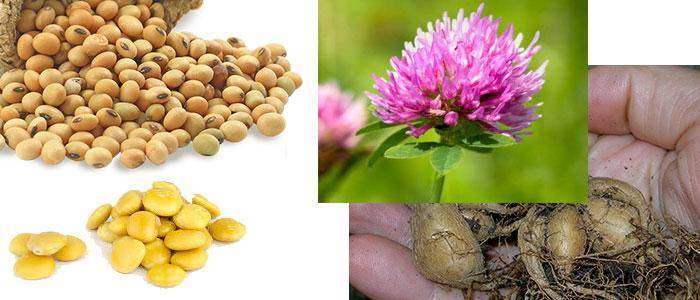
Since it is a chemical naturally present in soy and other plants, it can be obtained from food sources or as a medication. Flavonoids, especially isoflavones, can only be obtained from vegetables, fungi, and some types of algae, with the following foods being the richest in genistein:
- Soy.
- Red clover.
- Lupins.
- Beans.
- Kudzu.
- Psoralea.
- Flemingia vestita.
- Macrophylla.
- Coffee.
- Hops.
During the premenopausal period, there is an increase in estrogen. Increasing the level of isoflavones such as genistein can partly block the effects of these.
Many specialists recommend consuming soy frequently.
Soy, soybean, or Glycine max seed belongs to the legume family. This food is very rich in genistein. Soy is considered the food source with the highest amount of genistein.
For every gram of soy protein, there is between 1 and 2 mg of genistein.
Genistein Dosage
- No administration values are established.
Data regarding genistein dosage is based on the consumption of soy foods or green sprouts. It is estimated that individuals who consume between 20 to 80 mg of genistein per day are less likely to develop breast and prostate cancer.
These individuals usually belong to Asian population groups. In Asian countries, soy is much more common than in Europe and the United States. However, soy consumption in the West has increased in recent years.
Genistein and Daidzein
It is quite common to find foods with various isoflavones and other classes of flavonoids such as anthocyanins, chalcones, and flavones. It is rare to find a food that contains only one type of phytoestrogen. Soy is a food that contains several types of flavonoids as is the case with genistein and daidzein. Both phytochemicals belong to the isoflavone class.
The use of multiple isoflavonoids has better effects than when administered separately, with several of them almost always being administered to control menopausal symptoms, cyclic mastalgia, as well as to regulate cholesterol.
References
- Walter ED (1941). «Genistin (an isoflavone glucoside) and its aglucone, genistein, from soybeans». J Am Chem Soc 62 (12): 3273-3276.
- Messina MJ, Persky V, Setchell KD, et al. Soy intake and cancer risk: a review of the in vitro and in vivo data. Nutr Cancer. 1994;21:113 – 131.
- Kaufman PB, Duke JA, Brielmann H, Boik J, Hoyt JE (1997). «A comparative survey of leguminous plants as sources of the isoflavones, genistein and daidzein: implications for human nutrition and health.». J Altern Complement Med 3 (1): 7-12. PMID 9395689. doi:10.1089/acm.1997.3.7.
- Tham DT, Gardner CD, Haskell WL. Clinical review 97: Potential health benefits of dietary phytoestrogens: a review of the clinical, epidemiological, and mechanistic evidence. J Clin Endocrinol Metab. 1998;83:2223 – 2235.
- Anderson JJ, Ambrose WW, Garner SC. Biphasic effects of genistein on bone tissue in the ovariectomized, lactating rat model. Proc Soc Exp Biol Med. 1998;217:345 – 350.
- Third International Symposium on the role of soy in preventing and treating chronic disease. Washington DC, 1999. J Nutr. 2000;3:S653 – S711.
- Zoppi G, Zamboni G, Bassani N, Vazzoler G. Gammaglobulin level and soy-protein intake in early infancy. Eur J Pediatr. 1979;131:61-69.
- Almir F, Staack R, Jeffrey E, et al. An extract of soy flour influences serum cholesterol and thyroid hormones in rats and hamsters. J Nutr. 1996;126:3046-3053.
- Wang BS, Juang LJ, Yang JJ, Chen LY, Tai HM, Huan MH (2012). «Antioxidant and antityrosinase activity of Flemingia macrophylla and Glycine tomentella roots». Evidence-Based Complementary and Alternative Medicine 2012: 1-7.


