Peonidin is a natural chemical compound that functions as a pigment in plants and possesses antioxidant and anti-inflammatory properties in humans. It also serves as a food coloring or additive.
Contents
What is Peonidin and What is it Used For
This organic compound acts in plants producing purple and violet coloration. Well-known for being present in red and dark-colored foods. Peonidin, sometimes called Peonidin, is a phytochemical categorized as anthocyanin, a subclass of flavonoids with important functions in fat metabolism and cardiovascular system protection.
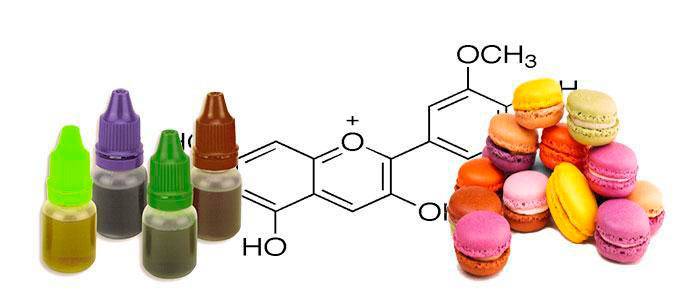
Peonidin serves as a pigment in plants, producing red and blue coloration, also as a food coloring, and as an antioxidant supplement.
Foods with Peonidin
- Blueberries.
- Berries.
- Sweet potatoes.
- Cherries.
- Plums.
- Raspberries.
- Red fruits.
- Jabuticaba (fruit of the Plinia cauliflora tree).
- Morning glory (flower).
- Red cabbage.
- Purple corn.
- Blackberries.
- Peony.
- Ipomoea purpurea (plant).
- Radishes.
- Grapes.
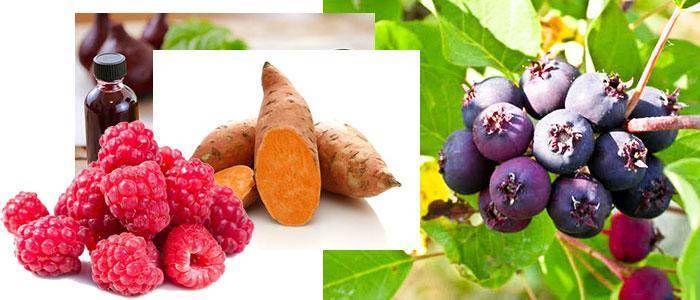
Foods richest in peonidin (peonidin) typically have a purple or deep red color. It’s common to extract the pigment for use as a coloring agent or to boost anthocyanin levels in the body by consuming cherries, grapes, and other antioxidant-rich fruits.
Properties and Benefits
- Antioxidant.
- Cardioprotective.
- Indicator of pH values.
One of the properties of peonidin is its strong antioxidant effect. It works by blocking free radicals and preventing the damage these molecules can cause in the human body.
Also, due to its antioxidant properties, it has benefits in preventing various types of cancer such as breast, lung, and prostate cancer.
Anthocyanins, the group to which peonidins belong, sometimes called anthocyanidins, have inhibitory effects on tumor growth, inducing apoptosis of cancer cells that, for various reasons, may begin to proliferate. In the presence of peonidin, this carcinogenic increase is limited, acting as a preventive measure and promoting their degradation.
All these properties and benefits of peonidin have been reviewed in in vitro studies, with further comprehensive analysis on the human body pending.
However, since the entire group of anthocyanins possesses this ability to reduce the risk of inflammatory and cancerous diseases, it is estimated that peonidin also possesses this ability in the human body.
Relationship with Cyanidin and pH Control
They belong to the same group of flavonoids called anthocyanins. Peonidin and cyanidin 3-glucoside are a type of anthocyanin. Both compounds can function as natural antioxidants when consumed through foods or supplements in the form of capsules or pills, as well as having other applications.
Indeed, both cyanidin and peonidin are used to control the pH of the medium, meaning that peonidin serves as a pH indicator.
This property of peonidins is possible because when there is a pH change, their color varies, working well to determine pH values in the medium where they are included.
When the pH rises, peonidin changes to a blue color, similar to what happens with other anthocyanidins. The chromophore forming the conjugated double bonds changes its extent, modifying the wavelength of light absorbed by the molecule. Therefore, when the medium is acidic, at low pH, peonidin is red. As its alkalinity increases, it shifts towards pink tones, becoming blue when it reaches pH 8.
Uses as Colorant E163e
In addition to functioning as an antioxidant and element to prevent oxidation in biological tissues, peonidin serves as a natural colorant that can be used in foods because it has no side effects or toxic properties.
When peonidin increases its pH above 8, it becomes stable, displaying a strong blue hue. This property of peonidin allows it to be obtained from various fruits to become colorant E163e, also known as black glory and identified with the code SIN163e.
The uses of peonidin as colorant E163e have many applications, with its most common use undoubtedly being as a food coloring agent to produce beverages and soft drinks, confectionery, desserts, candies, yogurts, and various dairy products.


