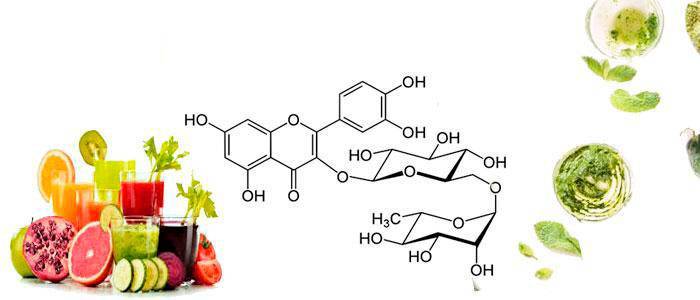
Routine is a rutinoside that belongs to the category of flavonols, which in turn belong to the group of flavonoids. Its name derives from the plant from which it was first synthesized, the so-called rue or Ruta Graveolens L., a species well known in southern Europe and belonging to the Rutaceae family.
Contents
Properties and benefits of the flavonoid rutin
The flavonoid rutin (quercetin-3-rutinoside) has properties and health benefits. It acts by regulating the immune system, is capable of reducing allergies, as well as offering resistance against bacterial and viral infections. In some parts of the world, this flavonol is used as therapy to prevent herpes and reduce its symptoms and problems when it appears.
In addition to its anti-infectious and anti-allergic power, the properties of rutin are:
- Anti-inflammatory.
- Antioxidant.
- Antispasmodic.
- Anticancerous.
- Hepatoprotective.
- Platelet aggregation inhibitors.
- Vasodilators and vasoprotectors.
- It promotes the transformation of glucose into sorbitol.
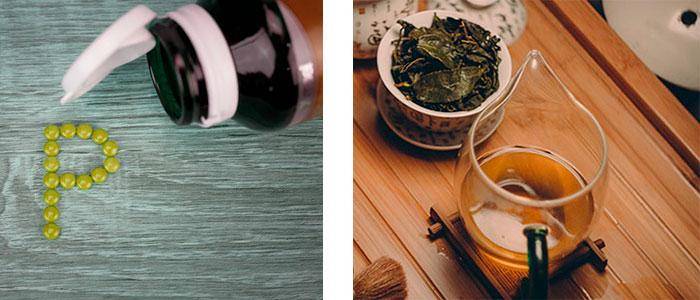
It is often referred to as vitamin P, although, in truth, this designation applies to all flavonoids, not just rutin glycosides.
Antioxidant Properties
Its antioxidant properties act by inhibiting angiogenesis (VEGF), that is, preventing new blood vessels from forming from existing ones.
This is a great characteristic that can be used in a multitude of human disorders and problems, such as preventing tumor growth. By limiting the supply of nutrients to cancer cells, they cannot duplicate, significantly reducing the risk of some types of cancer.
Also, having antioxidant function, in the human body it protects against free radicals, delaying premature aging and associated diseases such as dementia.
Blood Properties
Regarding its properties to inhibit platelet aggregation, it has enormous potential. The benefits of rutin are related to thrombosis. By acting as a platelet aggregation inhibitor, it prevents blood from clotting, improving blood circulation and protecting against vascular accidents. It is a great ally against vascular pathologies since it makes the blood less thick.
It has also been detected to have beneficial activity for patients with hemophilia, and its effects on other conditions such as leg edema are also interesting.
Cholesterol Properties
Similarly to other flavonoids, it acts by reducing oxidized LDL cholesterol, rutin flavonoid also possesses these properties. Its presence in the body produces a beneficial effect on the heart and arteries, reducing to some extent the amount of accumulated fat. This property is thought to be related to its intervention as ferulic acid, which reduces the risk of cardiovascular diseases by reducing the toxicity and danger of LDL cholesterol.
Anti-inflammatory Properties
It shares this characteristic with most flavonols. It shows anti-inflammatory activity, being enormously beneficial to prevent inflammation and degeneration. Its function runs interrelated with opioid receptors, also producing an analgesic effect by modulating some areas of the brain that emit the pain signal.
The most common uses are usually as therapy to complement the treatment of hemorrhoids, varicose nodules, varicose veins, and diseases affecting blood vessels and arteries (microangiopathies, diabetic angiopathy, etc.). In this sense, its use is often recommended for diabetic individuals since diabetic angiopathy is one of the most serious complications of diabetes.
Vasodilator Properties
Another of its important functions, or rather, benefits of rutin for people is its ability to improve the thickness of capillaries. It works as a capillary protector, preventing certain types of hemorrhages. Rutin has vasodilator properties that, along with its function as a platelet aggregation inhibitor, notably improve the health of the human circulatory system.
It protects against capillary fragility, so its potential is enormous. Rutin helps prevent spider veins, hemorrhoids, varicose veins, and the formation of bruises.
By enlarging blood vessels and making small capillaries stronger, it can be used as a complement for people at risk of developing ocular glaucoma, problems related to hypertension, and even reduce the risk of stroke.
Other Properties and Uses of Rutin
In veterinary medicine, it is well known for serving as an agent to facilitate chylothorax in cats and dogs. It allows for better results in extracting lymphatic fluid from the pleural space when pleural effusion occurs.
There is some data on its benefits as a detoxifier and protector against asbestos toxicity in its various forms, such as with asbestos, which is a magnesium calcium silicate or a type of impure asbestos.
Taking rutin flavonoid, to some extent, protects against the toxicity of these minerals. Individuals working with asbestos and derivatives may be advised to increase their rutin dose to improve resistance to the diseases these toxins cause in humans.
Similarities with Other Flavonoids and Flavonols
While the flavonoid rutin is considered a separate class or type, its chemical structure has certain similarities with other flavonols since it is a quercetin glycoside and a rutinose disaccharide.
For rutin to form, there is a bond between the disaccharide and the hydroxyl group of quercetin.
It can be used together with galangin, one of the flavonols that acts in the immune system. This way, resistance against pathogenic bacteria and viruses causing respiratory infections is improved.
Likewise, when mixed with fisetin, it leads to aging delay since this other flavonol delays cell death.
But that’s not all, by combining the benefits of rutin and mixing, we can find that kaempferol helps protect against inflammation, with uses such as analgesic and antiallergic, also enhancing the properties of both natural chemical compounds. Something that many people may find enormously satisfying to combat spring allergies as well as those caused by other allergens.
And, to conclude the similarities and advantages of taking this flavonoid with other flavonols, we can combine it with one more of them or, given that they share many natural products where they are present, consume foods with quercetin. Both flavonols have a great capacity to protect the heart and arterial system, producing a potent effect against LDL cholesterol.
Plants Where Rutin is Found
- Rheum.
- Asparagus.
- Citrus fruit trees.
- Honey tree (Styphnolobium japonicum).
Rutin flavonoid is commonly found in the petioles of plants (the stem that joins the leaves to the trunk), especially those of the Asparagus genus.
Rutin in food is present in citrus fruits such as lemon, orange, mandarins, and grapefruits, but also in significant amounts in other types of food and natural products as listed below.
Foods with Rutin
- Parsley
- Lemon.
- Orange.
- Grapefruit.
- Broccoli.
- Water pepper.
- Elderberry.
- Sorrel.
- Blackberry.
- Raspberries.
- Apricots.
- Tea.
- Spinach.
- Cress.
- Hops.
- Tussilago or coltsfoot.
- Green asparagus.
- Blueberries.
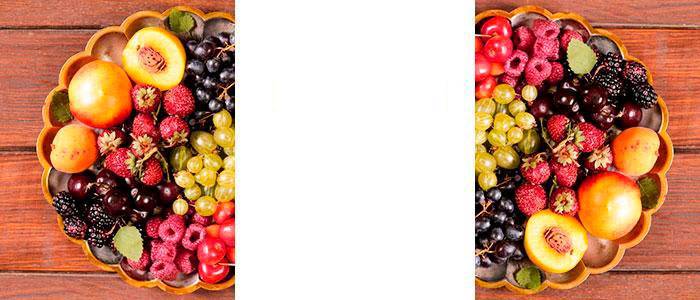
Plants, fruits, and vegetables are the main source of this flavonoid. Rutin can be found in citrus fruits such as lemon and grapefruit. It is very common in all citrus fruits but also present in aromatic herbs and spices used for preparing infusions like tea.
How to Take Rutin
It is recommended to include it in the diet along with vitamin C to enhance its effects, as well as including quercetin and hesperidin, other natural bioflavonoids that are very healthy for humans.
Additionally, it can be taken with vitamin E since it is also an antioxidant, complementing each other well. They mutually increase their protective effects against free radicals, premature aging, and certain types of inflammatory diseases.
The recommended daily dose of rutin is 150 to 500 mg.
It is beneficial to consume foods with rutin along with vitamin C. This vitamin enhances its properties when rutin is present, and it also maintains its nutritional value for a longer time since it oxidizes less in the presence of rutin. This makes it very convenient to obtain it from citrus fruits. These fruits contain both nutrients.
Other Names for Rutin
- Rutinose.
- Quercetin-3-rutinoside.
- Sophorin.
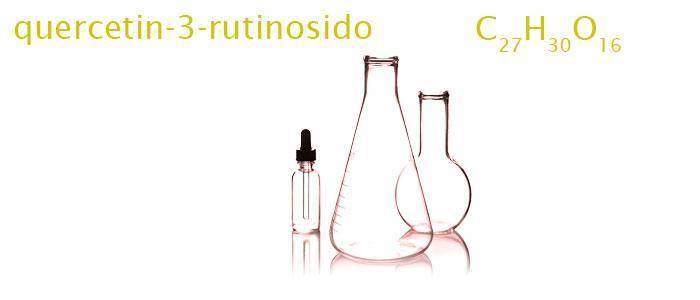
- C27H30O16 (chemical formula).
References
- Kreft S, Knapp M, Kreft I (November 1999). «Extraction of rutin from buckwheat (Fagopyrum esculentum Moench) seeds and determination by capillary electrophoresis». Agric. Food Chem. 47 (11): 4649-52.
- Margreet R. Olthof, Peter C. H. Hollman, Michel N.C.P. Buijsman, Johan M. M. van Amelsvoort, Martijn B. Katan «Chlorogenic Acid, Quercetin-3-Rutinoside and Black Tea Phenols Are Extensively Metabolized in Humans.»
- P C Hollman, J H de Vries, S D van Leeuwen, M J Mengelers, M B Katan «Absorption of dietary quercetin glycosides and quercetin in healthy ileostomy volunteers.» The American Journal of Clinical Nutrition, Volume 62, Issue 6, 1 December 1995.
- Hitoshi Matsumoto, Hiromi Inaba, Mitsuo Kishi, Shigeru Tominaga, Masao Hirayama and Takanori Tsuda «Orally Administered Delphinidin 3-Rutinoside and Cyanidin 3-Rutinoside Are Directly Absorbed in Rats and Humans and Appear in the Blood as the Intact Forms.»


