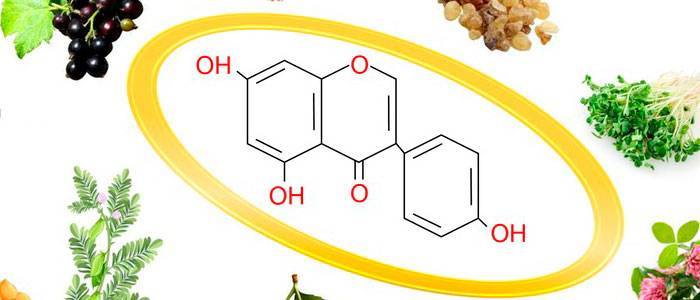
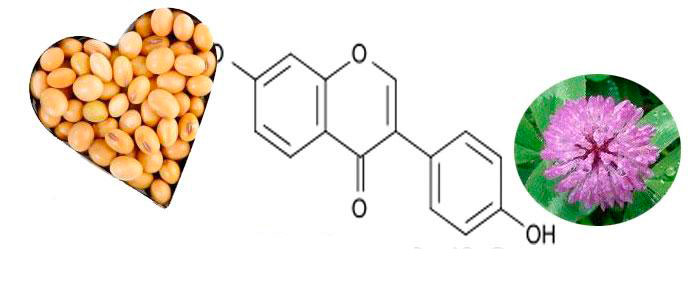
Glycitein is an isoflavone with anticancer and antioxidant properties. It is a phytochemical, also called a phytoestrogen for its benefits in regulating the body and estrogen levels, both low and high.
What is glycitein
Known as glycitein (Glycitein), it is an O-methylated isoflavone. It is present in foods such as soy, where it constitutes about 5 to 10% of the isoflavones contained in this food.

Glycitein is a methoxyisoflavone and a 7-hydroxyisoflavone. In its chemical structure, position 6 is substituted by a methoxy group, and positions 4′ and 7 are substituted by hydroxy groups.
It is a phytoestrogen, meaning a plant chemical that functions similarly to natural estrogens when ingested through food or as a nutritional supplement. Its chemical structure is similar, and in its presence, the body utilizes it instead of estrogens.
Its estrogenic activity is low compared to other soy isoflavones (genistein and daidzein).
Other names for glycitein
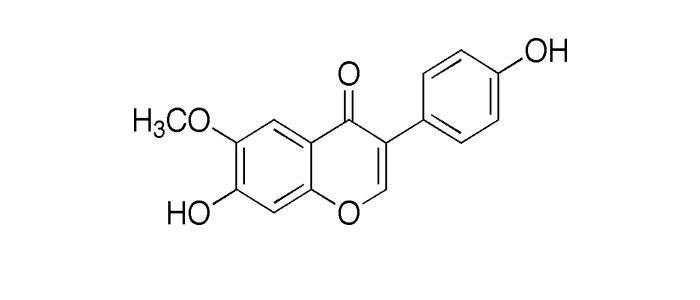
- 4′, 7-dihydroxy-6-methoxyisoflavone.
- Glycitein.
Its scientific name is 4′, 7-dihydroxy-6-methoxyisoflavone, although it is commonly known as glycitein, an isoflavone that constitutes an element within the subgroup of flavonoids.
Glycitein has antioxidant properties and benefits for protecting the cardiovascular system, being considered a powerful phytochemical in preventing heart diseases.
Although not extensively studied, it is thought that the properties of glycitein are similar to the rest of the polyphenolic flavonoid compounds. It can function as an antioxidant by blocking the damage caused by free radicals.
Another function in the human body is to reduce LDL cholesterol. Although its role in lipids is not well known, other isoflavones inhibit the assimilation and storage of cholesterol, leading to the belief that glycitein can also perform this function in humans.
Glycitein was first isolated from soy germ, and since then, several studies have been conducted to verify its function and properties that could be used in humans. It can also be obtained from the mycelium of the fungus Cordyceps sinensis.
However, it has been found that its estrogenic action is lower than that of genistein and daidzein, both isoflavonoid phytoestrogens. Its ability to interact with 17beta-estradiol is lower, indicating that its estrogenic activity is weak.
Its metabolism occurs in the human intestine by the microbiota inhabiting this part of the body. It can also be processed in the liver.
Currently, the uses of glycitein include being a biomarker for the consumption of beans and soy derivatives.
It can also be administered along with genistein and daidzein.