Astaxanthin is an antioxidant from the carotenoid family and is found in algae that form the basis of the diet of fish such as salmon or trout, which in turn serve as food for humans and provide us with the daily dose needed by the body to protect itself against free radicals.
It has protective benefits and, being considered an antioxidant, astaxanthin is very beneficial for the skin, heart, ocular system, and cardiovascular system.
Contents
What is Astaxanthin
It is a fat-soluble pigment present in plants, seaweeds, river algae, vegetables, and fruits. Astaxanthin (3,3′-dihydroxy-β, β′-carotene-4,4′-dione) is a xanthophyll, a plant chemical compound from the carotenoid group, used as an antioxidant to protect against oxidative stress and also to prevent premature aging.

In plants, it plays a protective role against external threats and provides orange and yellow color to leaves and flowers. In humans, astaxanthin is a potent antioxidant that, when consumed regularly, helps us maintain better health due to its interactions and effects on the body as we will see below.
Properties and Benefits
It has the characteristic of inhibiting free radicals so astaxanthin has benefits for protecting against oxidative stress.
Its properties act against skin deterioration, as well as in the regulation of high blood pressure (hypertension).
The properties of astaxanthin and its benefits are as follows:
- Anticancerous.
- Antidiabetic.
- Protection against free radicals.
- Delaying skin aging.
- Preventing ocular system deterioration.
- Reducing blood pressure.
- Alleviating some symptoms of dyspepsia.
- Cardiovascular protector.
- Antineurodegenerative.
- Enhancing the immune system.
A property of astaxanthin is not having activity like vitamin A, making it possible to be taken without the toxicity that this vitamin can have in the body when consumed in excess.
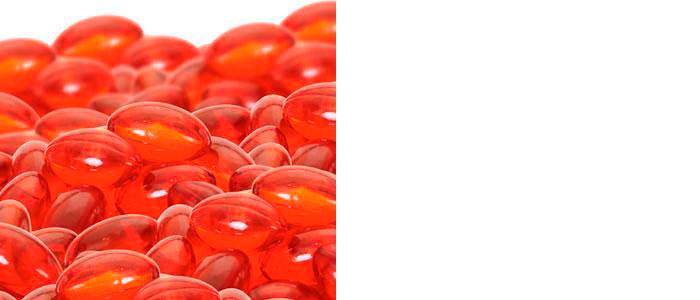
Indeed, this carotenoid does not act like vitamin A, but it has greater benefits as an antioxidant since it is much more potent than vitamin E, C, and even beta-carotenes. This is a great advantage as it prevents the oxidation of cellular tissue, keeping biological tissues stable for much longer, thus extending the life cycle.
Its biological activity in humans improves when animals that will later be used as food are fed, increasing its bioavailability and absorption by the human body. For this, compound feed with Haematococcus pluvialis and other types of algae eaten by fish can be used.
In the case of diabetic individuals, it is considered that this natural compound helps regulate blood sugar levels, with its function being important to prevent disorders associated with type II diabetes.
Antioxidant Effects
Antioxidants inhibit oxidation, that is, the chemical reaction known as reduction-oxidation or redox reaction. This occurs when there is a free electron that causes other molecules to decompose upon contact, the so-called free radicals.
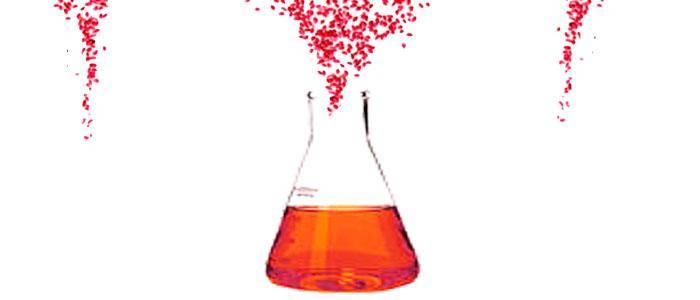
The antioxidant properties of astaxanthin prevent this reaction from occurring, safeguarding the molecules that the body needs to maintain life such as proteins, lipids, and DNA. With the presence of an antioxidant compound, DNA deteriorates less and the rest of the elements can remain intact for longer, making the medicinal value of its effects incalculable.
Compared to other antioxidants, astaxanthin is much more potent, even more than tomato lycopene, lutein, and beta-carotenes. Taking it increases the values of the antioxidant enzymes catalase, peroxidase, and superoxide dismutase in the blood plasma and liver, thus reducing the redox reaction, that is, biological oxidation.
Compared to other antioxidants, astaxanthin is 10 times more potent than zeaxanthin, canthaxanthin, lutein, and beta-carotene. However, its potency is demonstrated when compared to alpha-tocopherol as it possesses 100 times more antioxidant effects, protecting the internal and external cell membrane.
Skin Properties
Many anti-aging and anti-wrinkle cream brands include it as an active ingredient to stop the damage caused by free radicals. Astaxanthin for the skin protects us from aging, the formation of wrinkles, and the decline of the face over the years.
While its effects are not immediate when taken through the foods we have indicated. But when included or used in cosmetic applications, astaxanthin reduces the daily damage suffered by the tissues of the epidermis.
The results are gradual, slowing down the aging process, allowing the necessary molecules for the complexion and the entire dermal system to remain stable for longer.
It is common to find creams for sale with astaxanthin, lycopene, resveratrol, and vitamins C and E. All of these are considered beneficial antioxidants for the skin.
Cholesterol
Another of its qualities is preventing lipid oxidation, keeping the human circulatory system in better condition for much longer.
The benefits of astaxanthin for cholesterol are that it inhibits lipid peroxidation. It is considered to have good results in therapies to control and reduce LDL cholesterol in certain individuals. Of course, it should always be accompanied by other control and stimulation measures to control fats in arterial tissue and triglycerides.
Anti-inflammatory
In addition to having antioxidant effects, astaxanthin has anti-inflammatory properties. It has been successfully tested with mice infected with Helicobacter pylori, a gram-negative bacterium that causes many gastrointestinal tract infections.
There are some studies that show that the presence of astaxanthin reduces tissue inflammation. In this case, extracts from algae Chlorococcum and Haematococcus were used, showing favorable results that were analyzed by monitoring the biomarker of DNA oxidative damage, also finding that the bacterial load decreased.
In this sense, it can be considered as an anti-inflammatory antioxidant and activator of the immune response. It is commonly used to control ocular inflammation.
Diabetes
Almost all cases of diabetes mellitus present high levels of oxidative stress caused by hyperglycemia. By including a dose of astaxanthin, it can be observed how blood glucose levels decrease, improving insulin levels and efficacy at the same time.
The properties and benefits of astaxanthin for diabetes include protecting pancreatic cells and also acting in the recovery of lymphocytes that had decreased due to diabetes.
Cardioprotective
By acting as an anti-inflammatory and antioxidant, astaxanthin is a good cardioprotective agent. Most cardiovascular diseases are caused by oxidative stress and inflammation, both of which are reduced with its presence in the body.
Several studies indicate that it reduces the activity of enzymes that induce hypercholesterolemia, thus making it considered as a therapeutic agent for atherosclerosis and for reducing the incidence of myocardial infarctions. When it does not manage to prevent them, it is much more likely that their severity will be lower.
Cancer
Preventing cellular oxidation is key to slowing down aging and, therefore, the likelihood of cellular DNA degeneration, leading to tumor formation. Astaxanthin for cancer has properties to inhibit various types of oxygen species such as hydrogen peroxide, superoxide, and hydroxyl radical. All of these are generated in metabolism normally, so if antioxidant foods are not consumed, they will begin to react and damage cells.
Antioxidant compounds including astaxanthin, ubiquinone or coenzyme Q10 as well as the well-known wine resveratrol slow down mutagenesis and carcinogenesis. This is possible by reducing cellular oxidative damage by capturing free radicals.
Immune System
Another benefit among the characteristics of astaxanthin is acting as an immunomodulator, meaning it regulates the immune system, its response, and the ability to produce antibodies.
Lymphocytes are cells that protect us against microbes, bacteria, viruses, and fungi and are formed similarly to other cells in the human body. They have a membrane that can be damaged by free radicals, and as we have explained, the antioxidant astaxanthin prevents this from happening, thus actually enhancing the immune system by preventing the cells that compose it from being damaged and destroyed.
With this property of astaxanthin, the data indicate that its effects are similar to those of beta-carotenes. However, this is not bad news, but rather it is totally exceptional. It can provide immunomodulatory effects, causing antibodies to improve the immune response in both people and animals.
According to the data provided in the studies (see references), it improves the production of immunoglobulins in human cells, increasing the activity of cells responsible for the body’s defenses, meaning there is greater protection against bacterial and viral diseases.
Is It Natural?
Most capsules and supplements intended for human consumption contain natural astaxanthin. This has been obtained by processing large amounts of yeast Phaffia and Haematococcus pluvialis, although some capsules made from the shells of small crustaceans such as shrimp (Caridea) can also be found, which should not be confused with shrimp from Mexico or South America.
Large shrimp and prawns also contain astaxanthin, but the powder is generally obtained from algae due to its low cost, ease of cultivation, harvesting, and extraction.
So we can find two types of astaxanthin:
- Plant-based.
- Animal-based.
This differentiation is extremely important because some people suffer from food allergies, so it is essential to buy the right astaxanthin for each person.
Regarding the results, being all-natural, the effects on the human body will be the same, that is, it will act as an antioxidant and regulate blood pressure.
Beyond these considerations and differences, once consumed, it will start its process in the human metabolism, only finding differences if you take a different dose. Typically, the brands that sell it may prepare their capsules with different concentrations, something that is important to check to always take the recommended daily dose of astaxanthin (see astaxanthin dosage).
Now that we know what it is, what it is for, its properties, and its benefits, let’s explain the foods where it can be found so that you can make use of them and obtain a large amount of xanthophyll antioxidants.
Foods with Astaxanthin
Most of the time, foods with higher amounts of astaxanthin can be recognized by their color, which is often strong shades like red, orange, and yellow.
- Algae:
- Haematococcus pluvialis.
- Chlorella zofingiensis.
- Chlorococcum.
- Phaffia rhodozyma.
- Krill oil.
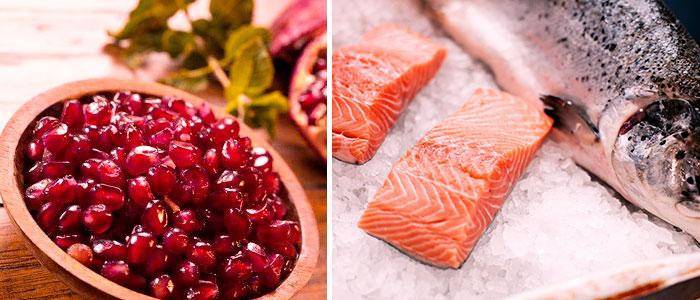
- Fish such as sea bream, trout, salmon.
- Shellfish such as prawns, shrimp, lobsters, crayfish, krill, river crabs, etc.
- Fruits like pomegranates.
- Phaffia yeast or red yeast.
However, not all foods with astaxanthin are red or orange. Often, the presence of this pigment is masked by chlorophyll, making it appear green as in many microalgae.
The algae with the highest amount of astaxanthin is H. pluvialis. It has been calculated that around 4% of its dry weight is astaxanthin.
In the aquaculture industry, astaxanthin is used as a food additive. It is included in animal feed to provide a better color to the meat that will serve as food for people. It is common to find fish farms and chicken breeders using it mixed with spirulina and feed for their animals. By doing so, both the eggs of the hens and their meat will be more orange and appetizing, similar to what happens with fish.
Side Effects
Generally, only people with allergies or high sensitivity may notice some side effects and adverse reactions. It is classified as safe, and the most common reactions are gastrointestinal discomforts. However, if you are allergic to carotenoids, you may show sensitivity and allergic symptoms, so it is advisable not to take it in that case.
The side effects of astaxanthin include:
- Gastrointestinal discomfort.
- Vomiting.
- Diarrhea.
- Allergic reaction.
- Yellowing of the skin.
Unexpected reactions or unwanted effects are not usually found. However, people with hypersensitivity to carotenoids, xanthophylls, and other groups of antioxidants should avoid consumption as it could be among the contraindications of astaxanthin.
In addition, people suffering from chronic diseases should consult before including a supplement in their diet, whether they take medication regularly or not. Especially patients with symptoms of hypertension, thyroid-related diseases, asthma, or respiratory problems, and hormonal changes.
Other possible adverse effects and contraindications include changes in skin color due to its high concentration of red pigments. You may notice yellowish skin when the recommended dose is exceeded, a reaction that disappears a few days after stopping taking astaxanthin capsules.
How to Take Astaxanthin
Astaxanthin can be consumed through antioxidant-rich foods as indicated or through a supplement, which generally comes in the form of capsules, pills, or tablets.
The best way to take astaxanthin is with omega-3-rich oil. Being fat-soluble, it dissolves in fats, and oil makes it a suitable medium for better assimilation.
The best oils for astaxanthin are chia oil, krill oil, which generally comes enriched with the antioxidant, flaxseed oil, almonds, any other fish oils, or whichever you prefer, but if it contains omega-3 fatty acids, even better.
Dosage
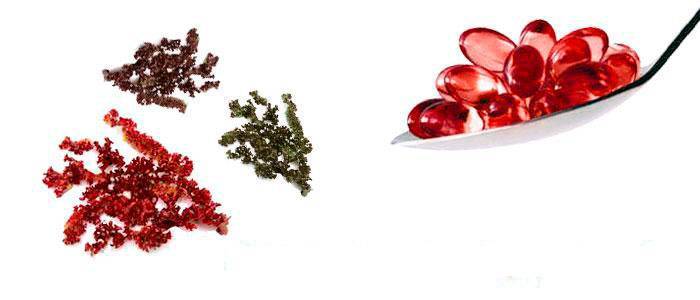
You should consider the brand you have purchased as the doses of astaxanthin may vary depending on the manufacturer. This is possible because the purity or concentration of the extract may be lower or higher, finding some differences when comparing products that would seem similar at first.
The daily amounts, how much astaxanthin to take per day or its dosage are:
- 2 to 4 mg. of astaxanthin per day or 1 capsule daily.
Relationship with Other Natural Antioxidants
Being a xanthophyll, it shares many of its characteristics and properties with other antioxidants such as lutein, zeaxanthin, and other chemical compounds from the same group.
References
- VV. AA. (2009). Jordi Induráin Pons et al, ed. Diccionario Anaya de la lengua (2nd edition). Larousse Editorial, S. L. «xantofila s. f. Pigmento amarillo de algunas células vegetales, que participa en la fotosíntesis: la xantofila interviene en la absorción de la luz por las hojas de las plantas. SIN luteína«.
- Ranga Rao Ambati, Phang Siew Moi, Sarada Ravi, and Ravishankar Gokare Aswathanarayana «Astaxanthin: Sources, Extraction, Stability, Biological Activities and Its Commercial Applications«.
- Higuera-Ciapara I., Felix-Valenzuela L., Goycoolea FM Astaxanthin: Una revisión de su química y aplicaciones. Crit. Rev. Food Sci. Nutr. 2006.
- Pashkow FJ, Watumull DG, Campbell CL Astaxanthin: un nuevo tratamiento potencial para el estrés oxidativo y la inflamación en enfermedades cardiovasculares. A.m. J. Cardiol. 2008.
- Palozza P., Torelli C., Boninsegna A., Simone R., Catalano A., Mele M.C., Picci N. Growth-inhibitory effects of the astaxanthin-rich alga Haematococcus pluvialis in human colon cancer cells. Cancer Lett. 2009.
- Park J.S., Mathison B.D., Hayek M.G., Massimino S., Reinhart G.A., Chew B.P. Astaxanthin stimulates cell-mediated and humoral immune responses in cats. Vet. Immunol. Immunopathol. 2011.
- Jyonouchi H., Sun S., Iijima K., Gross M.D. Antitumor activity of astaxanthin and its mode of action. Nutr. Cancer. 2000.
- Tanaka T., Makita H., Ohnishi M., Mori H., Satoh K., Hara A. Chemoprevention of rat oral carcinogenesis by naturally occurring xanthophyll’s, astaxanthin and canthaxanthin. Cancer Res. 1995.
- Tanaka T., Morishita Y., Suzui M., Kojima T., Okumura A., Mori H. Chemoprevention of mouse urinary bladder carcinogenesis by the naturally occurring carotenoid astaxanthin. Carcinogenesis. 1994.


