Resveratrol is a natural antioxidant with benefits for the skin, hair, and protection against free radicals. It is found in wine and red fruits, has anticancer properties, and can help in cases of diabetes.
There are many qualities of this polyphenol, and depending on the need, it can be taken in different forms, varying the dose and the foods to control its side effects and contraindications.
Contents
What is Resveratrol and What is it Used For?
Resveratrol is a chemical compound present in plants such as the vine and in fruits such as grapes, making it one of the most important polyphenols in wine. It can also be found in blackberries, blueberries, raspberries, and other red fruits.
Michio Takaoka first isolated it while studying the Veratrum album plant, a highly poisonous grandiflorum variety. However, by isolating this type of polyphenol and in subsequent studies, its potent antioxidant properties for human health were documented.
Resveratrol is also known by the name «3,5,4′-trihydroxy-trans-stilbene» and corresponds to substances called stilbenoids.

Considered as a phenol and a phytoalexin, an antimicrobial compound that, when taken, produces antimicrobial properties.
As we will describe below, in addition to possessing antioxidant properties, it also has benefits as a product or substance for eliminating bacterial and fungal infections, caused by bacteria and fungi respectively.
Trans-Resveratrol
This chemical form is known as «Trans,» the active form of Resveratrol.
It increases its bioavailability, making it absorbed more effectively by the body. When resveratrol is encapsulated, it is called trans-resveratrol.
This means it is more potent and has many more health effects.
Resveratrol exists in two chemical forms: cis-(Z) and trans-(E). When we refer to the trans form, we are referring to one of its isomers that can be bound to a glucose molecule or be free.
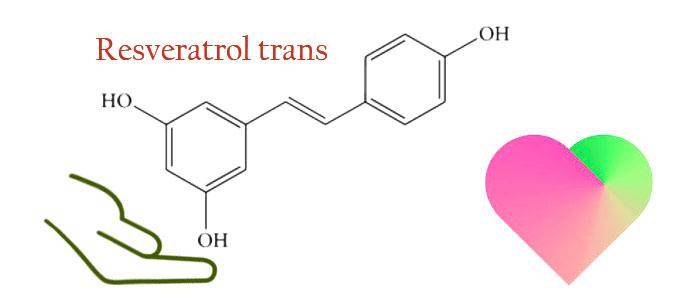
Trans-resveratrol is much more stable, being able to be marketed in powder or pressed form for tablet production.
Benefits and Medicinal Properties
All its qualities are innate, produced by the plants from which it is obtained. The benefits and properties of resveratrol are:
- Heart protection.
- Antibiotic.
- Antibacterial.
- Free radical inhibitors.
- Anticancer.
- Anticancer.
- Increase in HDL cholesterol level compared to LDL (good and bad cholesterol respectively).
- Antithrombotic, reduces the risk of blood clot formation.
Cancer
Like most natural antioxidants, resveratrol inhibits free radicals, molecules that are released and circulate in the body, deteriorating cells and causing premature aging.
The aging of cellular tissue increases the risk of abnormalities in DNA duplication, with it being observed that the older the cells, the easier it is for them to duplicate anomalously.
Resveratrol and cancer are related as it blocks the conversion of estrogens into DNA adducts when they are highly exposed to carcinogens such as tobacco, solar radiation, and chemicals. It induces the enzyme quinone reductase to reduce the metabolite of estrogen back to its inactive form, thus reducing the risk of cancer.
Cardiovascular System
It can reduce blood pressure when administered in large doses, providing benefits for the heart and reducing the risk of coronary artery disease.
Diabetes
By activating sirtuins, proteins related to caloric restriction, resveratrol for diabetes promises to be one of the most well-founded future therapies.
According to studies by the University of Texas Southwestern in the United States, administering a daily dose of resveratrol to mice reduces blood glucose levels. Sirtuins are proteins being studied in humans for their antidiabetic properties, and resveratrol, by activating them, could play an important role in diabetes treatment.
Skin and Hair
By offering protection against free radicals, it promotes longer-lasting skin tissue, preventing cell destruction and the appearance of facial spots, as well as inhibiting the formation of various types of skin cancer.
Resveratrol for skin is considered a potent antioxidant, with anti-aging effects and collagen synthesis stimulators.
Cosmetics
Due to its antioxidant properties, effective in slowing down skin deterioration and the harmful effects of free radicals, resveratrol in cosmetics is increasingly used.
We can find creams, lotions, and liquids with grape extracts that, while less effective than a full dose of resveratrol, can help slow down skin aging, stimulate longer-lasting collagen, and, along with quercetin, act as anti-wrinkle and anti-aging creams.
Why is it Considered an Antioxidant?

It protects against oxidation and free radicals, absorbing them and stopping their presence in the body, which is very good for health.
Resveratrol antioxidant prevents skin aging caused by UVA and UVB rays emitted by the sun, allowing the epidermis to stay younger for longer.
We strongly recommend that you read all the information about what antioxidants are for so you understand the true power and effects on the human body, skin, hair, cardiovascular system, and in summary, their health benefits.
Resveratrol in Wine and Grapes
As we have indicated at the beginning of this article, grapes are very rich in resveratrol, antioxidants, and polyphenols, so wine, which is made from grapes, also is.
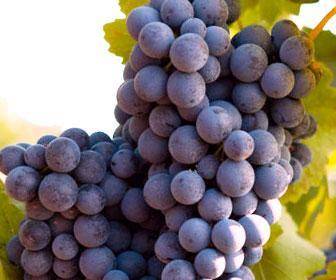
Resveratrol in wine acts as a cardiovascular protector. Grape antioxidants and flavonoids it contains have properties that interact with LDL cholesterol oxidation, improving heart health and enhancing the lifespan of blood vessels.
The total polyphenols in wine, including resveratrol and other antioxidants, have anti-inflammatory properties due to the activation of various enzymes and proteins, also reducing the formation of adipose tissue.
To obtain a good dose, it is more suitable to do it through fruits to avoid alcohol, besides the amount of resveratrol in a glass of wine can vary. This depends largely on the type of grape, with black grapes having the highest amount compared to white grapes, although it is estimated that a glass of wine contains between 0.30 and 1.07 mg of resveratrol.
To assess the amount of this antioxidant, it is also necessary to consider the variety of vine cultivated, the terrain where it has been cultivated, as well as the methods used for harvesting and subsequent wine processing and production.
Relationship with Polyphenols
Like many other plant molecules, Resveratrol is a polyphenol, formed by a phenol group.
Although there are some distinctions within polyphenols, antioxidant resveratrol protects the cardiovascular system, like many substances categorized as such. Its antioxidant properties are very important, preventing cellular aging, skin aging, and hair aging. It also has benefits for vision since the eye suffers less damage when this polyphenol is present in the diet.
If you want to learn more about this topic, we recommend that you go to the section called what are polyphenols. There is a lot of information there about the rest of the elements considered as polyphenols and their relationship with antioxidants and other natural plant-derived chemical compounds that have medicinal properties.
Foods Where It Is Found
- Blueberries.
- Peanuts.
- Dark chocolate.
- Raspberries.
- Pomegranates.
- Blackberries.
- Red grapes.
- Wine.
The foods where resveratrol is found are red fruits, nuts, and also dark chocolate.
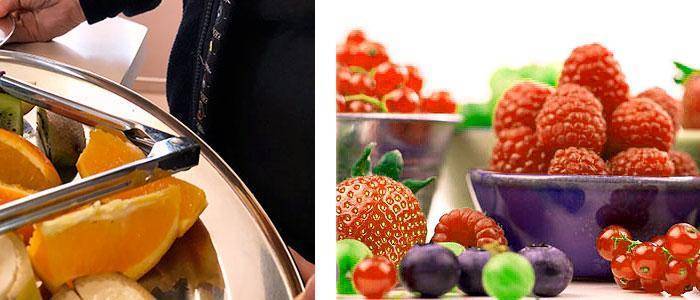
Generally, the presence of this phytochemical is identified with wine, but there are many more foods that can provide the recommended daily dose.
While red grapes are very rich in it, blueberries are an invaluable source of resveratrol and other antioxidants with effects on memory, cellular protection, and the supply of essential nutrients.
Pomegranates are another of the foods where it is found, and if you prefer sweets over fruit, dark chocolate also contains it.
How Resveratrol is Taken (Dosage)
There are two simple ways to increase the levels of this polyphenol or antioxidant in the body:
- By consuming fruits rich in resveratrol.
- Through dietary supplements in the form of capsules or pills.
Taking Resveratrol from Foods
Through fruits and foods with resveratrol, there is no established maximum or minimum daily dose, as one can consume as much food as they deem appropriate.
The dose of resveratrol in fruits is variable, as is its absorption. Currently, there are no reported cases of overdose or side effects when consumed with food, which is why this method is the safest.
Resveratrol Dosage in Capsules
When using pills, dosages should be monitored as their concentration is much higher than when derived from natural sources.
Resveratrol in capsules of 1000 mg, 500 mg, and 200 mg can be used for various purposes, with the following dosages:
- Diabetes: Take between 250 and 1,000 mg per day to control blood sugar levels and improve insulin function for type 2 diabetes. Maximum usage time 3 months.
- Cardiovascular disease: 10 mg of resveratrol per day. Maximum administration time 3 months.
When resveratrol is encapsulated, it has more potent effects than when taken with other formulations, so it is advisable to always follow the instructions of the brand or laboratory that manufactures it.
Side Effects
- Unknown.
There are no reported side effects when taking resveratrol beyond the typical gastrointestinal discomfort that other phytochemicals may cause in individuals sensitive to certain plant compounds. Tolerance is considered good, with no cases when ingested through foods.
However, because resveratrol in capsules is more potent, it could produce more side effects and have contraindications.
Contraindications
- Platelet antiaggregants.
- Calcium channel antagonists.
- Anticoagulants.
- Antihistamines like terfenadine.
- Benzodiazepines.
- Protease inhibitors.
- Immunosuppressants like tacrolimus, cyclosporine, etc.
- Medications for treating arrhythmia.
- Treatments for cholesterol.
- Treatments for blood pressure like sildenafil.
As with side effects, there is a significant difference when taken from natural sources compared to when taken in capsules or pills, so the contraindications of Resveratrol should be monitored much more closely in the latter case.
Pregnant or breastfeeding women should avoid synthetic high doses, always consulting with their pediatrician or gynecologist. Based on their experience and the specific case, they will indicate whether it is appropriate to take it or not.


