Lutein is an antioxidant that belongs to the group of xanthophylls and carotenoids. It is a yellow-colored chemical compound, which can be found in plants in the form of pigment.
Lutein and zeaxanthin are often used together, enhancing their properties and benefits for the eyes and the visual system, but it is also frequently taken against melasma and other situations where it can help us.
Although its function is to act as one of the best antioxidants and is currently sold in the form of pills and capsules as a dietary supplement since its medicinal properties are numerous, it can be given various uses and, therefore, different doses and forms of administration.
Due to its ability to stop free radicals and inhibit oxidation in the body, we will now explain «what lutein is,» its «benefits,» «dosage,» and what is the best way to consume it.
Contents
What is Lutein and What is it Used For
It has several uses and works to protect vision and inhibit damage caused by free radicals. Lutein is a plant pigment that serves to color the flowers and leaves of plants, being very common in all those that express yellowish tones.

We can see how its molecular formula is: C40H56O2. It also acts as a sunscreen, filtering ultraviolet radiation.
In addition to uses in plants, humans can use it for various purposes. In this case, lutein serves as a food additive, with the code E-161b.
For this purpose, as an additive for the food industry and food preparation, lutein is used to prepare sauces, mayonnaise, and to make creams, soups, and yogurts. It can also be added to poultry feed such as chickens and hens to make their meat look better.
Unlike other carotenoids such as beta-carotenes, lutein is not a precursor of vitamin A, meaning that vitamin A chemical reaction will not occur in the body from it. This prevents retinol (active form of vitamin A) from being produced from it.
And lutein acts as a food coloring, with this use being one of the most common in the food industry.
But also…
Lutein also serves as a dietary supplement, meaning that taken in capsules it will benefit us against oxidative stress, protecting the skin, the cardiovascular system, and reducing high blood pressure (hypertension) in many cases.
Next, we are going to discover the properties and benefits of lutein when used together with other antioxidants.
Lutein and Zeaxanthin
These two natural chemical compounds that come from plants have great health benefits, as lutein and zeaxanthin are carotenoids, so, belonging to the same group of plant pigments, they share many similarities and effects in people when ingested.
Both Zeaxanthin and lutein are usually recommended to be taken with omega 3. These plant secondary metabolites are liposoluble, dissolve in fat, acting as scavengers of free radicals, particles that freely fluctuate through the body and break down molecules that humans need.
These free radicals, upon contact with other molecules in the body, destabilize them, causing oxidation, and when this happens, they lose part of their properties, making the body unable to perform some functions correctly or, in other cases, lacking the necessary elements, decline. That is, we age by not being able to regenerate the tissues of the human body with sufficient efficiency.
Benefits of Lutein
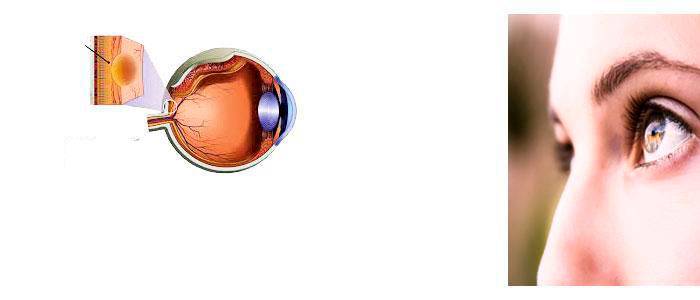
One of its great virtues is to act as a protector of the ocular system. Lutein is a magnificent antioxidant to protect vision, causing the eyes to age less and, in some cases, preventing vascular accidents such as macular degeneration and even lowering the probability of developing cataracts.
For vision
Together with vitamin A, Lutein slows down the effects of free radicals on the ocular system, reducing the damage of ultraviolet light on the cornea and retina.
Vision has a very large filter against ultraviolet radiation produced by the sun, and this filter can be nourished by antioxidants like lutein. According to the journal Archives of Ophthalmology, there is data demonstrating that it is capable of slowing down the aging of the ocular system and delaying vision loss in people with retinitis pigmentosa.
Melasma
For skin spots or hypermelanosis, the use of lutein in melasma is quite widespread. However, there are no scientific studies demonstrating that its effects are effective.
To prevent hyperpigmentation caused by solar radiation, it is best to avoid exposure or, failing that, use sunscreen with a high protection factor (SPF).
While in plants it acts as a blocker or inhibitor of ultraviolet rays, in humans, it does not seem to have this property. It protects the skin from aging and, to some extent, can prevent facial and body spots, but ideally, another method that has been proven effective should be used.
Lutein, Zeaxanthin, and Omega 3
One of the main advantages of combining these 3 ingredients is the reinforcement of ocular health.
Omega 3 fatty acids have shown over time to be very beneficial for vision, and it is recommended to take lutein, zeaxanthin, and omega 3 for patients with age-related macular degeneration (AMD), a degenerative disease of the ocular retina.
While it is not a cure, it can delay retinal aging and, thus, allow the person to maintain vision for a longer period.
We recommend that you speak with your ophthalmologist if you think it could be beneficial for you. They can analyze your case and see if it can really provide beneficial and medicinal properties in your situation.
Lycopene
Lutein and lycopene are two antioxidants that strengthen their effects when taken together. Unity is strength, and in this case, their benefits for vision and inhibition of free radicals increase.

In addition to the protective role of lutein, we must add the property of lycopene to inhibit cancer regression, reducing the likelihood of developing abnormalities in cellular DNA.
Furthermore, both nutrients offer advantages to prevent skin aging, mutually reinforcing when ingested together.
In this regard, they are also excellent for macular degeneration since lycopene improves the thickness of the small capillaries that run through the eyes, making them stronger to withstand the passage of blood and reducing the risk of micro-rupture that exposes the fluid to the retina and causes partial or total blindness.
Astaxanthin
Shares many of the properties as in the previous case since astaxanthin is one of the most powerful antioxidants, but it also possesses other qualities such as:
- Acting as an anticancer agent.
- Reducing LDL cholesterol levels.
- Controlling high blood pressure.
- Boosting the immune system.
So, it is quite common to purchase lutein, zeaxanthin, and astaxanthin because by combining them, their effects are diversified, acting in a much more comprehensive way than if taken separately.
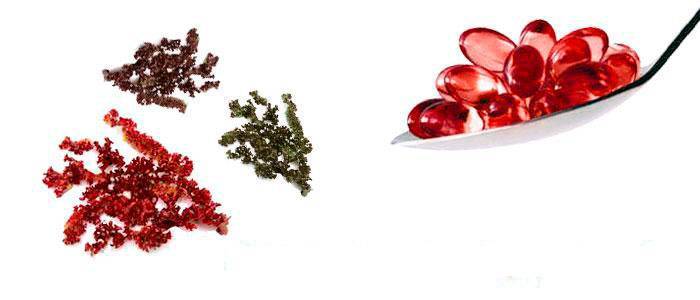 Lutein and astaxanthin are used both to protect vision and to reduce the risk of oxidation-reduction reactions (redox).
Does it have more properties?
Yes. Although they are quite extensive, most are related to their effects against solar radiation and free radicals.
Below, we list the properties of lutein:
- Protective of the ocular system.
- Against eye aging.
- To block free radicals.
- To reduce high blood pressure, reducing the likelihood of suffering a vascular accident that damages the heart, vision, and important organs of the human body.
- Antioxidants.
Foods that Contain Lutein
It can be obtained from various natural sources such as fruits and vegetables, some of which are very interesting due to their high content.
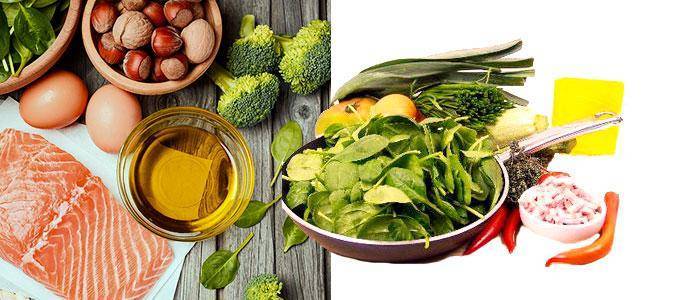
Thus, we can discover that the foods that contain the most lutein are:
- Vegetables such as peas, spinach, Swiss chard, Brussels sprouts, beans, romaine lettuce, oakleaf lettuce, endive, kale, mustard greens, celery, wheat seeds, turnips, broccoli, etc.
- Fruits such as strawberries, raspberries, blueberries, oranges, mandarins, plums, apples, pears, avocados, papayas, nectarines, chicory, watercress, etc.
- Herbs and medicinal plants used as infusions such as marigold, nettle.
- Carrots.
- Asparagus.
- Grape seeds.
- Blackberries.
- Seaweed and freshwater algae.
There are many foods rich in lutein or containing it, especially green leafy vegetables. Although in its pigment form it is yellow, since plants have other types of pigments, in general, its color remains hidden and mixed with the rest, making it more likely that they have dark green, red, and orange tones.
Foods with Lutein and Zeaxanthin
- Corn.
- Egg yolk.
- Goji berries or Lycium barbarum.
Goji berries, although they are a food rich in zeaxanthin, have a small amount of lutein.
Dosage
- From 6 to 11 mg/day.
Keep in mind that the dose of lutein is not scientifically proven. This means that there is no recommended daily allowance, although it has been found through different studies and observations by ophthalmologists, cardiologists, and nutritionists that the most recommended daily amount is between 11 and 6 mg.
Note that, while this dose is recommended, some brands may show slight variation depending on the quality of the antioxidant, whether it is pure or not, as well as whether it is accompanied by other antioxidants, vitamin A, eye vitamins, and fatty acids such as Omega 3.
Lutein and Eye Vitamins
It is quite common to find various preparations and dietary supplements with medicinal properties aimed at caring for vision and protecting the ocular system.
Lutein and eye vitamins have properties to slow down the aging of vision, causing most people who consume them daily to see better as they enter middle age.
This is not only for capsules or pills but can also be extended to the range of benefits for foods. Having a varied and vegetable-rich diet is a guarantee to maintain vision and heart in good condition for a long time.
Just look at where lutein is found in the body:
- Eyes.
- Brain.
- Blood.
- Breasts.
Contraindications
Like dosage, the contraindications of lutein are not regulated since, so far, no interactions or cases where it is not advisable to take it have been found.
However, due to the complexity of the human body, it is always recommended not to mix it with medications without consulting the doctor who prescribed them beforehand.
Lutein is safe, but as with all nutrients administered in large quantities, it could interact with certain drugs or in large doses.
Side Effects
- Hypercarotenosis.
- Allergy.
The side effects of lutein that have been most frequently observed are changes in skin coloration. Hypercarotenosis can occur due to excessive consumption of vegetables with lutein and plants with a high content of pigments. When you stop taking it, the yellowish skin tone will gradually disappear.
Although allergy is rare, some people may be hypersensitive to certain components of plants or excipients included in the composition of the capsules. If you consume it in this way and have an allergy, always pay attention to the list of ingredients to avoid an adverse reaction.
How to Take It
It is very easy to incorporate it into your diet as you only need to ingest any of the foods with lutein that we have indicated.
It is also possible, as we have been discussing, to take it in capsules and pills, in which case it will be necessary to take 1 capsule a day with water.
You can take lutein at any time of the day, although it is always better to do it in the morning or until mid-afternoon.
References
- Chunyan Xue, Richard Rosen, Adrienne Jordan and Dan-Ning Hu, «Management of Ocular Diseases Using Lutein and Zeaxanthin: What Have We Learned from Experimental Animal Studies?«.
- Emily Y. Chew, MD, Chair; John Paul SanGiovanni, «The Age-Related Eye Disease Study 2» (AREDS2) Research Group.
- Joseph W. Reardon, North Carolina Department of Agriculture and Consumer Services Food and Drug Protection Division: «Lutein and Zeaxanthin: Where to Get Them in Foods?«.
- Bonds DE, Harrington M, Worrall BB, et al. «Effect of long-chain ω-3 fatty acids and lutein + zeaxanthin supplements on cardiovascular outcomes: results of the Age-Related Eye Disease Study 2» (AREDS2) randomized clinical trial. JAMA Intern Med. 2014.
- Liu R, Wang T, Zhang B, et al. «Lutein and zeaxanthin supplementation and association with visual function in age-related macular degeneration«. Invest Ophthalmol Vis Sci. 2014.
- Wang X, Jiang C, Zhang Y, et al. «Role of lutein supplementation in the management of age-related macular degeneration: meta-analysis of randomized controlled trials«. Ophthalmic Res.
- Ge XX, Xing MY, Yu LF, et al. «Carotenoid intake and esophageal cancer risk: a meta-analysis«. Asian Pac J Cancer Prev.


