Myricetin is a flavonoid from the flavonol group. It is a natural chemical compound, with a composition similar to polyphenols. It has antioxidant properties and is found in fruits, vegetables, and some medicinal plants that can be taken in capsules or as infusions.
Contents
Myricetin
With a molecular formula C15H10O8, myricetin stands out for its protective action against free radicals. Its chemical structure is very similar to other flavonoids and is found in many of the foods containing fisetin, which is also a flavonol, and luteolin, which is a flavone. So it shares many properties and benefits in the human body, being considered as a phytonutrient.

In its natural state, in nature and in plants, myricetin is a glucoside, in which case it is called myricitrin.
The discovery of myricetin was in 1938 by the biochemist Albert Szent-Györgyi Nagyrápolt. Finding this flavonoid was very important, just like all the work of the biochemist. In 1937, Szent-Györgyi had received the Nobel Prize in Physiology or Medicine for the development of discoveries related to the biological function of vitamin C and fumaric acid.
Like what happens with the flavonoid rutin, initially it was considered as vitamin P, but later, when it was studied in depth, it was concluded that it was not a vitamin, but a phytonutrient that, although very beneficial for health, is not essential like vitamins are.
Properties and Benefits
- Antioxidant.
- Anti-inflammatory.
- Anticholesterolemic or LDL cholesterol-reducing.
- Anticancer (pancreas, prostate, colon, lung, breast, etc.).
- Immune system support.
- Protects against abnormalities in DNA duplication (deoxyribonucleic acid).
The properties of myricetin for the body’s defenses, improving the immune system response, are possible due to the activation of macrophage function. These are white blood cells present in the blood and act when pathogenic bacteria, microbes, or elements that shouldn’t be there are detected.
The functioning and response of the human immune system largely depend on macrophages, so having them active and strong will provide a good barrier against bacterial, fungal, and viral infections.
Regarding the benefits of myricetin against high cholesterol, it should be noted that it improves fat absorption, reducing the accumulation and formation of arterial cholesterol, which, beyond a certain amount, can greatly increase the risk of coronary artery diseases.
With less cholesterol in the blood, there is less likelihood of plaque formation, the heart pumps more smoothly, and the blood reaches the entire body much more easily.
About the antioxidant properties of myricetin, we can say that it acts by protecting the body’s cells, largely preventing the damage caused by oxygen. During this function necessary for human life, the so-called free radicals are produced, free particles that break apart molecules and oxidize them, causing premature aging of the areas of the body they impact.
Natural antioxidants also protect against ultraviolet radiation.
Dihydromyricetin or Ampelopsin
Known as Ampelopsin, dihydromyricetin (diidromyricetin) or Ampelopsin is a flavanonol that has uses as an anticellulite cosmetic ingredient due to its properties for fat elimination and as a product to reduce the side effects of ethanol intoxication.
Dihydromyricetin can be obtained from the bark of the Japanese tree Hovenia dulcis, in the Cedrus deodara, in Erythrophleum africanum, and from the tree Myrica cerifera L. or wax myrtle tree.
This chemical compound is partly different from myricetin, which is why it is incorporated into the medical-cosmetic industry since it presents a triple action against adipocytes, cells that form adipose tissue or fat that accumulates in the body.
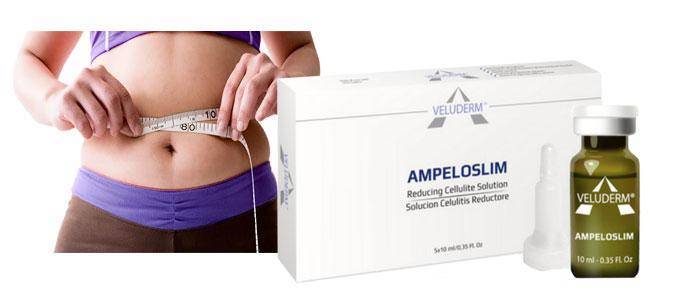
The properties of dihydromyricetin or its function is to decrease adipocyte synthesis, meaning it blocks adipogenesis. It inhibits cell differentiation, making preadipocytic cells unable to turn into mature adipocytes to a percentage close to 63%.
It also has hepatoprotective effects, protecting liver function. This polyphenolic compound is well known in Traditional Chinese Medicine, being used as a remedy to eliminate the hangover produced after ingesting large amounts of alcohol through spirits.
How to Take Myricetin?
Myricetin can be used alone or in conjunction with other flavonoids and isoflavones, meaning that taking myricetin enhances the properties of galangin, quercetin, kaempferol, and gossypetin, as well as other polyphenolic compounds.
It is considered that taking these three flavonoids together reduces the risk of pancreatic cancer by 23%. Taking myricetin alone has been found to mitigate the likelihood of developing prostate cancer, which can benefit many people with family oncological backgrounds.
Mixing it with other flavonoids will increase its effectiveness, providing more anti-inflammatory, antioxidant, and ultimately cardiovascular protective benefits, while also slowing premature aging.
Myricetin can be taken through the following foods. Additionally, it can optionally be ingested through a nutritional supplement or as part of the composition of specific drugs or as an anticellulite medicinal product.
Foods
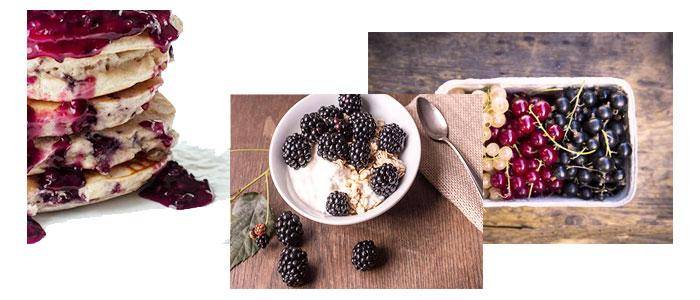
- Blueberries.
- Berries.
- Red onions.
- Red currants.
- Blackberries.
- Walnuts.
- Parsley.
- Tea.
- Grapes.
- Red wine.
Other Names
- Myricetin.
- Myricetol.
- Cannabiscetin.
- Myricitrin.
- Dihydromyricetin: butylene glycol, dihydromyricetin.
- The commercial name of dihydromyricetin is Myriceline.
Other Interesting Data (Chemical Properties)
- Myricetin formula: C15H10O8.
- Molar mass: 318.037567 g/mol.
- Density: 1.912 kg/m3 or 0.001912 g/cm3.
References
- Ross JA, Kasum CM (July 2002). «Dietary Flavonoids: Bioavailability, Metabolic Effects, and Safety». Annual Review Nutrition 22: 19-34.
- Ong KC, Khoo HE (August 1997). «Biological Effects of Myricetin». General Pharmacology 29 (2): 121–126. doi:10.1016/S0306-3623(96)00421-1.
- Hollman PC, Katan MB (Dec 1999). «Health effects and bioavailability of dietary flavonols.». Free Radic Res: Suppl S75-80.
- Sara M. Rankin, Catherine V. de Whalley, J.Robin S. Hoult, Wendy Jessup, Gary M. Wllkins, Jane Collard, David S. Leake, «The modification of low density lipoprotein by the flavonoids myricetin and gossypetin», Biochemical Pharmacology, vol. 47, no 1.
- Ministry of Public Health of Cuba «Therapeutic Guide of Phytopharmaceuticals and Apipharmaceuticals».
- Basli A, Soulet S, Chaher N, Merillon JM, Chibane M, Monti JP, Richard T (July 2012). «Wine polyphenols: potential agents in neuroprotection.». Oxid Med Cell Longev.
- Knekt P, Kumpulainen J, Järvinen R, et al., «Flavonoid intake and risk of chronic diseases», Am. J. Clin. Nutr., vol. 76, no 3, September 2002, p. 560–8.
- Hase, K; Ohsugi, M; Xiong, Q; Basnet, P; Kadota, S; Namba, T (1997). «Hepatoprotective effect of Hovenia dulcis THUNB. On experimental liver injuries induced by carbon tetrachloride or D-galactosamine/lipopolysaccharide». Biological & Pharmaceutical Bulletin 20 (4): 381-5.
- UCLA Press Release. May 1, 2012. «Chinese herbal medicine may provide novel treatment for alcohol abuse«.


