Polyphenols are natural chemical compounds obtained from plants and present in foods. They are commonly found in lemon, wine, grape, as well as olive oil and cocoa.
Their properties and benefits for the body are numerous, highlighting their protective action against free radicals and the prevention of inflammation.
Polyphenols can be a type of flavonoid, but also other plant compounds with invaluable therapeutic function to prevent skin aging, protect the heart, and cellular system.
Contents
What Are Polyphenols
They are a group of chemical substances with antioxidant effects whose composition has several phenol groups for each molecule it contains.

Polyphenols are characterized by having natural antioxidant properties, and are formed by several very important subgroups for the protection of the human body. These subgroups or classes of polyphenols are condensed tannins and phenylpropanoids.
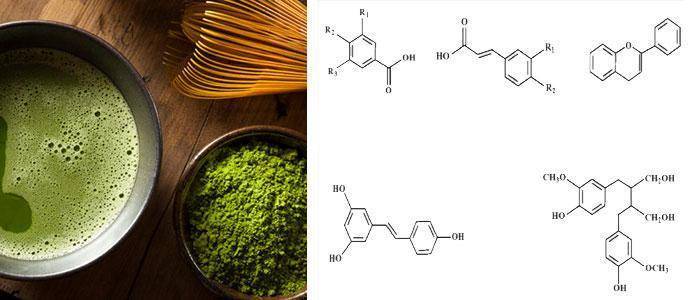
Classification of Polyphenols
The classification of polyphenols is based on their chemical structure, taking into account the number of phenolic rings they possess, as well as the amount of structures that form these phenol rings.
Types of polyphenols include:
- Hydroxybenzoic acid derivatives.
- Hydroxycinnamic acid derivatives.
- Stilbenes.
- Lignans.
- Phenolic alcohols.
- Flavonoids.
The formation of polyphenols in plants occurs through the shikimic acid pathway and the polyacetate pathway.
Through the shikimic acid pathway, plants can synthesize polyphenol and some aromatic amino acids such as phenylalanine and the amino acid tyrosine. It is also used for the creation of other plant substances such as coumarins, lignans, simple phenols, cinnamic acids, and derivatives of phenylpropane.
Through the polyacetate pathway, it allows the synthesis of xanthones and quinones.
Absorption and Metabolism
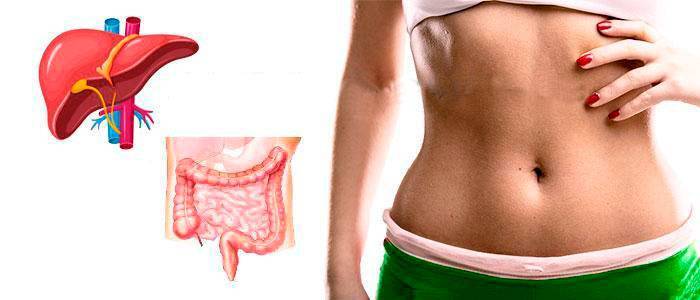
Generally, the body has little capacity to absorb and metabolize this type of plant chemical substances. The bioavailability of polyphenols is calculated based on their chemical structure, and in most cases, the most abundant ones are also the least bioavailable, meaning they will be more difficult to utilize, and their medicinal properties will be scarcer for humans.
Many polyphenols cannot be absorbed in the intestine and end up being excreted rapidly. This makes them less usable and possessing little therapeutic value.
Additionally, it’s also worth considering that polyphenols can undergo several chemical transformations in the stomach when they come into contact with bile acids, losing their properties or, in some cases, resisting gastric juices and, in that case, they could have therapeutic benefits.
If they survive the stomach passage and their transformation is adequate, the intestine and liver could utilize them, resulting in other substances that can be detected in the bloodstream. They cannot always be detected in their original form, meaning as polyphenols produced by the original plant.
This means that foods containing polyphenols are not always as beneficial as desired.
However, there are some fruits and beverages containing them that can be biocompatible with humans and animals.
Polyphenols in Foods
Polyphenol-containing foods pass from the mouth to the stomach, being broken down in digestion so that the nutrients they contain and active substances can be utilized.
Polyphenols in foods undergo processes of methylation, sulfation, and also glucuronidation in the liver.
As we have mentioned, passing through these digestion processes, the resulting metabolites may be different from the polyphenols initially ingested, making it difficult to calculate the medicinal value and properties for humans. Their biological activity is complicated to detect as there is no clear pattern on the outcome depending on the substances involved in metabolism.
List of Foods Containing Polyphenols
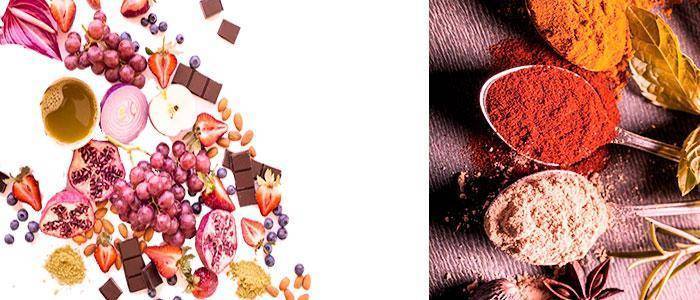
- Cocoa.
- Tea.
- Wine.
- Lemons.
- Grapes.
- Olive oil.
- Maqui.
- Coffee.
- Apples.
- Turmeric.
- Legumes such as beans, lentils, soy, lupins, peanuts, etc.
- Fruits of red, orange, and yellow colors such as blueberries, pomegranates, peaches, etc.
- Tubers and bulbs such as onion, garlic, shallots, leeks, beets, carrots, etc.
- Whole grains such as barley, buckwheat, etc.
Tea
This beverage used as an infusion has a high concentration of antioxidant metabolites. The properties of polyphenols in green and black tea come from the flavonoid called epigallocatechin gallate. This antioxidant reduces the production of reactive oxygen species (ROS), the formation of free radicals, and peroxides.
When consuming tea, the ingested polyphenols modulate the activity of glutathione and cytochrome P450 enzyme, slowing down cellular degeneration affecting the skin, heart, and other areas of the body. So it’s not surprising that in many cases, tea extracts are included in cosmetics or its intake is recommended as a method to obtain potent and effective antioxidants.
Cocoa
This food is considered one of those with the best flavonoid properties as it has a high amount of catechin and epicatechin, being very interesting as a natural antioxidant, rich in various classes of polyphenols.
It is a functional food, rich in nutrients and bioavailable substances that prevent cellular tissue degeneration, works to prevent cardiovascular diseases, and pathologies related to oxidative stress.
Wine
Grape juice derivatives are also potent scavengers of free radicals and oxidative reactions from free electrons. They promote youthfulness and halt the aging process in the body. The most well-known polyphenols in wine are phenolic acids, anthocyanins, procyanidins, flavonols, flavanols, and one that holds great importance is the antioxidant resveratrol.
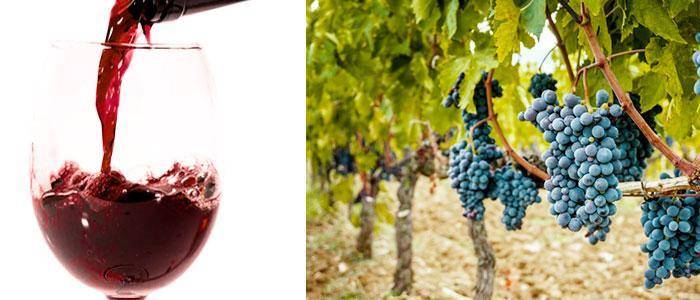
All these chemical compounds are considered natural antioxidants, having a significant presence in wine and good properties for human health.
There are some differences between wines as red wine contains more polyphenols than white wine. The phenols in white wine come from the pulp, while in red wine, we can find a higher concentration as the skin and seeds of black grapes contain more polyphenols.
Lemon
It is a fruit with a high content of vitamin C, citric acid, and other types of plant metabolites.
The polyphenol in lemon is present in the peel, making it interesting to grate it to add to desserts or add it to juices and smoothies.
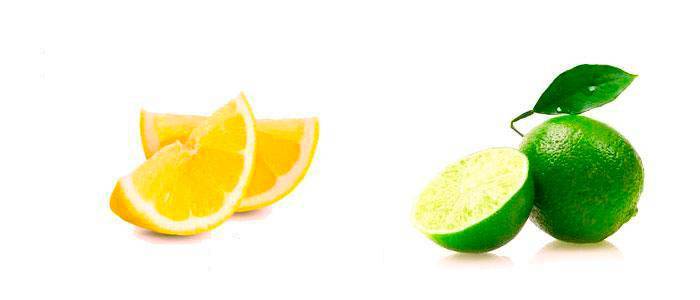
In lemons, we find citrine, which is a compound that regulates the permeability of capillaries and allows arterial vessels to flow nutrients and oxygen into the space between cells (interstitial space), thus facilitating internal respiration.
The citrine in lemon peel is of paramount importance as it was isolated by Nobel Prize winner Albert Szent-György in 1930, leading to the discovery of flavonoids called «flavus,» a Latin word meaning yellow.
The polyphenol citrine in lemon also possesses antioxidant properties and benefits that protect against cancer, acting as an inhibitor of cell proliferation, reducing metastasis, and promoting apoptosis or cell death of tumor-forming cells.
Grape
Shares the properties and benefits of the polyphenolic compounds in wine because it is produced from grape juice.
The polyphenols in grapes reduce cardiovascular risk, reducing LDL cholesterol oxidation and inhibiting platelet aggregation in coronary artery disease.
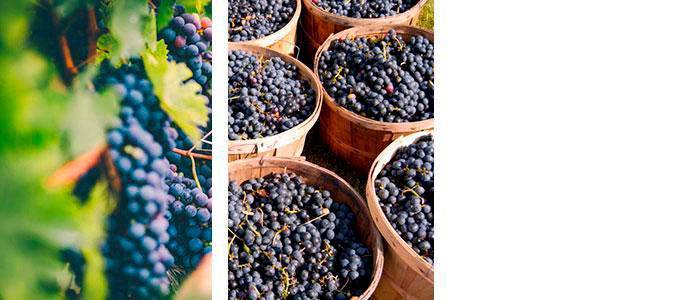
In grapes, polyphenols are found in the pulp, seeds, and skin, with phenolic acids and their derivatives detected in the pulp, and anthocyanins and flavonols in the skin. However, only black grapes have anthocyanins in the skin, not being found or being very low in white grapes, which is why their color is light instead of being red or black.
This also means that red wine contains many more polyphenolic compounds with antioxidant action than white wine.
In grape seeds, there are flavanols, a class of flavonoids also characterized by inhibiting oxidative action of free radicals, which is why certain dietary supplements include extract from their seeds. We also find monomers and oligomers that are procyanidins.
Other polyphenols from the flavonoid group present in grapes are malvidin, petunidin, which shares many properties of cyanidin, peonidin, and also, since it is also an anthocyanin, many of the benefits of delphinidin that, in many cases, are presented in the form of glucosides.
Olive Oil
Olive oil is rich in natural polyphenols, and it is important to consume it when it is extra virgin and not refined oil. The latter oil loses many of its properties, and during the refining process, many of the polyphenolic compounds are eliminated.
The polyphenols in olive oil include lignans, tyrosol, hydroxytyrosol, oleuropein, and many more, also containing vitamin E and beta-carotenes, which also act as antioxidants, so their properties against free radicals are potent.
The total amount of polyphenols can vary depending on the type of olive used, as well as the cultivation medium, with values ranging from 400 mg/kg to 1500 mg/kg, considering average values that may fluctuate depending on the year and the oil analyzed.
Properties and Benefits
There are numerous studies listed at the end of the article where the benefits of polyphenols when included in the diet are contrasted. These enhance cardiovascular health, providing antioxidant effects and vasodilatory properties. The power of polyphenols lies in their ability to inhibit free radicals or slow down cellular aging.
The properties of polyphenols are:
- Antioxidant.
- Vasodilatory.
- Vasoprotective.
- Antithrombotic.
- Antilipemic.
- Antiatherosclerotic.
- Anti-inflammatory.
- Antiapoptotic.
Polyphenols and their benefits always derive from their antioxidant property, being the most common antioxidants in the diet, i.e., those ingested through food.
Although there are other substances that act similarly, protecting against free radicals and oxidation, the intake of polyphenols is 10 times higher than, for example, the intake of vitamin C or up to 100 times higher than the presence of carotenoids and vitamin E in foods.
Antioxidant Properties of Polyphenols
The antioxidant properties of polyphenols result from neutralizing oxygen reactions. Examples of this are the flavonoid catechin and the properties of luteolin, but the most interesting flavonoids blocking the action of free radicals (antioxidant property) are undoubtedly the flavonoids quercetin and resveratrol, kaempferol and its glucosides, and myricetin.
The phenol group possessed by these flavonoids can capture free electrons produced in respiration or in oxygen oxidative processes, reducing oxidative reactions in the body. By capturing the free radical, flavonoids produce the flavinic radical, which is less reactive and therefore damages cells much less.
Other Benefits
In addition to capturing or buffering free radicals, polyphenols have detoxifying properties. They intervene in cellular metabolism, improving cell detoxification.
They interfere with the enzyme superoxide dismutase (SOD), which catalyzes the dismutation of superoxide into oxygen and hydrogen peroxide. This is a very potent antioxidant effect that protects cell health.
Polyphenols also interfere with the function of the catalase enzyme, which catalyzes the breakdown of hydrogen peroxide (H2O2) into oxygen and water, as well as the glutathione peroxidase (GPX) enzyme, which protects the body from premature aging by slowing oxidation.
Polyphenols are considered to have antioxidant properties 5 times more effective than antioxidant vitamins (vitamins C, E, and D).


