Zeaxanthin is a natural pigment from the xanthophyll family that serves as a natural dye and antioxidant when taken from foods, capsules, and even ophthalmic drops to repair and protect the eye quickly.
Its function in humans is to act as a protector for vision, having various medicinal and healing benefits and properties.
Contents
What is Zeaxanthin and What is it Used For
Known as E161h or by its scientific name 4-[18-(4-hydroxy-2,6,6-trimethyl-1-cyclohexenyl)-3,7,12,16-tetramethyl-octadeca-1,3,5,7,9,11,13,15,17-nonaenyl]-3,5,5-trimethyl-cyclohex-3-en-1-ol or in English zeaxanthin, zeaxanthin is used to protect against ultraviolet radiation, produced by plants but which, in humans, has a similar function except that it protects the retina from the sun.

It can also be found with the CAS number 144-68-3 in chemical industries, functioning as a natural yellow and fat-soluble dye (dissolves in fats and oils) for foods or be used to dye fabrics, wool, and other manufactured products.
Often used together with other natural antioxidants and xanthophylls, they improve the quality of the ocular system, delaying eye aging.
Although it has other properties and benefits, perhaps the best answer to the question «What is lutein and zeaxanthin used for?» is as a protector of vision. Both vegetable or natural chemical pigments are recommended by ophthalmologists to prevent macular degeneration or, failing that, to diminish the consequences of this vascular disorder. We recommend that you read all the information about the properties of lutein for the eyes.
Macular Degeneration
It is a disorder that affects the retina, located at the back of the eye, which, when present, causes poor vision and even blindness.
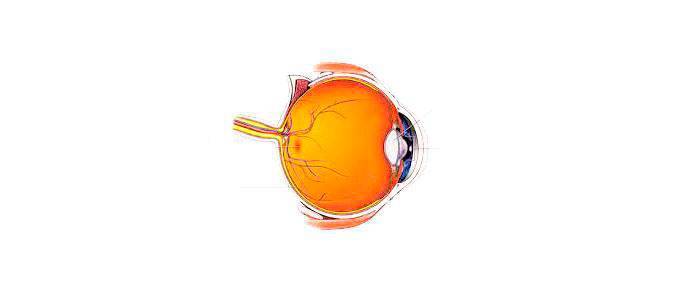
Lutein and zeaxanthin for macular degeneration act as protectors, preventing its onset. These two elements promote thickening and strengthening of the blood vessels in the macula, preventing any leakage of blood or ocular fluid into the macula, which would impair vision and cause discomfort, as well as other side effects.
Zeaxanthin is often recommended for both dry and wet macular degeneration, i.e., dry AMD and wet AMD. In the former, small ocular capillaries do not break, but yellow deposits form, and in the latter, wet AMD, there is indeed a microtear with fluid.
The benefits of zeaxanthin for macular degeneration include providing density to the macula, preserving vision. It is also recommended to consume foods rich in vitamin C and E, as well as those containing zinc. The indicated vitamins and minerals such as zinc have antioxidant properties that help prevent eye aging and thus maintain good vision for many more years.
Cataracts
By blocking sunlight, zeaxanthin and lutein can reduce eye wear and tear. Lenses suffer less damage from UV rays, and due to their antioxidant properties, they also slow down oxidation caused by free radicals.
This is important in preventing cataracts, opacities in the eye’s lens, which is one of the most common causes of vision loss in humans along with age-related macular degeneration (AMD).
Consuming foods with zeaxanthin reduces the risk of retinal deterioration and cataract formation in the eyes by 18 to 50%.
Foods
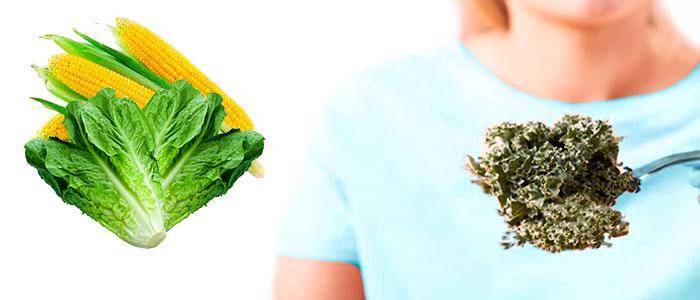
Plant pigments from the xanthophyll family are widespread in fruits and vegetables, greens, and fresh garden produce. Thus, we can find that foods with zeaxanthin include:
- Celery.
- Pumpkins.
- Marigold.
- Asparagus.
- Fruits:
- Plums.
- Kiwis.
- Mangoes.
- Melons.
- Nectarines.
- Papayas.
- Pears.
- Peas.
- Beans.
- Green, red, and yellow peppers.
- Turnips.
- Lettuce varieties such as romaine, oakleaf, iceberg, endive, arugula, radicchio, etc.
- Leafy green vegetables:
- Swiss chard.
- Broccoli.
- Kale.
- Brussels sprouts.
- Spinach.
- Cabbage.
- Seeds:
- Corn.
- Wheat.
- Egg yolk.
- Carrots.
Many of the foods containing zeaxanthin also contain lutein, benefiting us doubly with these two natural chemical compounds. Their role in nutrition is crucial to protect against ultraviolet radiation, slowing down vision deterioration, and preventing some cases of eye aging and vascular accidents, which affect the heart, but also those that can cause vision problems such as damaging the eye’s macula.
Among the best foods with zeaxanthin are spinach and kale. These two foods have high amounts of lutein and zeaxanthin, and if we look for another type of food, one of animal origin, then we can eat egg yolk, which is also one of the best.
In fruits, it is very common to obtain zeaxanthin from yellow and orange fruits such as mangoes, oranges, and papayas, although other fruits with different shades can also be our target for protecting vision because the pigments can be masked when found in the pulp with other green-colored ones, as is the case with vegetables like spinach. These are rich in zeaxanthin, but instead of having a yellow or orange color, they are green because this pigment is predominant.
Properties and Benefits
Naturally, zeaxanthin is found in the macula of the eye, so with this data, we can get an idea of its importance for vision.
The properties of zeaxanthin and its benefits are:
- Protective for vision.
- Preventing macular degeneration.
The properties of zeaxanthin act as a protector of the eye, inhibiting the damage that UV rays can cause to the human eye’s macula.
At the same time, its benefits are shared with lutein, which, instead of being more widespread throughout the macula, can be found in the macula lutea, i.e., in the posterior part of the retina. It is yellow in color and its function is to allow for better vision, distinguishing shapes, colors, and small details provided by sight.
Zeaxanthin is so important for vision that its deficiency can lead to cataracts. It acts as a sunscreen for the eye.
Contraindications
There are few situations in which drawbacks are prescribed, but as is the case with most supplements for eye health, in some situations, it is advisable to avoid their consumption. So, below, we indicate the contraindications of zeaxanthin:
- Allergy to xanthophylls.
- Intolerance to natural antioxidants.
- Allergy to lutein.
In the case that you take it from food sources, you should monitor if you have any food intolerance, allergy, or hypersensitivity. Otherwise, you should not have any problems except for explicit medical advice.
It is much more likely to reproduce side effects of zeaxanthin and lutein when taken through capsules or pills than when consumed naturally, i.e., through food.
If you are undergoing a pharmacological treatment, you should always consult with the specialist who prescribed it. Although interactions with medications or drugs are rare, it is always possible given the long list of them that currently exist, or that it would be advisable to wait to take them at a given moment.
Side Effects
It is unlikely to cause discomfort or produce any adverse reactions. However, each person has a sensitivity to plant compounds, and in this case, it is worth mentioning the possible side effects of zeaxanthin:
- Stomach ache or discomfort (gastrointestinal upset).
- Intestinal gas.
- Abdominal bloating.
- Diarrhea.
- Hypercarotenosis (change in skin tone).
The most likely scenario in case of experiencing any side effects of zeaxanthin is that they manifest as stomach problems. When taken in capsule form, they may cause slight discomfort, producing certain discomforts, and in some cases, lead to diarrhea.
Hypercarotenosis is a typical problem for people who supplement with a very high dose of zeaxanthin. When taken for a long time, it can cause a change in skin color, turning yellow or orange. When pure zeaxanthin pills are stopped, the unwanted effects gradually disappear. In certain cases, you may detect it as carotenemia, one of the side effects of carotenoids shared by most of the best antioxidants, as is also the case with astaxanthin.
But don’t worry about this, as we have indicated, it is quite rare for it to occur, and when it does, it is due to excessive and prolonged dosage, which has a solution.
How to Take Zeaxanthin (Dosage)
There is no explicit recommendation from official bodies, but we do find bibliographic documentation with various studies and different doses of zeaxanthin, which allows us to indicate the daily amounts and the appropriate way to take it.
The amount of zeaxanthin is 2 mg per day.
If taking both lutein and zeaxanthin, a dose of 10 mg and 2 mg, respectively, should be administered.
References
- Mares-Perlman JA, Millen AE, Ficek TL, Hankinson SE. «The body of evidence to support a protective role for lutein and zeaxanthin in delaying chronic disease». Overview. J Nutr. 2002.
- Age-Related Eye Disease Study Research Group. «A randomized, placebo-controlled, clinical trial of high-dose supplementation with vitamins C and E, beta carotene, and zinc for age-related macular degeneration and vision loss»: AREDS report no. 8. Arch Ophthalmol. 2001.
- Paracoccus zeaxanthinifaciens sp. nov., «A zeaxanthin-producing bacterium». International Journal of Systematic and Evolutionary Microbiology.
- Halliwell B, Gutteridge JMC. «Free Radicals in Biology and Medicine». Third ed. New York, NY: Oxford University Press; 1999.
- National Eye Institute. Age-Related Eye Disease Study 2 (AREDS2): A Multi-Center, Randomized Trial of Lutein, Zeaxanthin and Omega-3 Long-Chain Polyunsaturated Fatty Acids (Docosahexaenoic Acid [DHA] and Eicosapentaenoic Acid [EPA]) in Age-Related Macular Degeneration (2006–2012).
- Bone RA. «Macular pigment response to a supplement containing meso-zeaxanthin, lutein and zeaxanthin». Nutrition and Metabolism; 2007.
- Voorrips LE, Goldbohm RA, Brants HA, et al. «A prospective cohort study on antioxidant and folate intake and male lung cancer risk». Cancer Epidemiol Biomarkers Prev. 2000.
- Krinsky NI, Landrum JT, Bone RA. «Biologic mechanisms of the protective role of lutein and zeaxanthin in the eye». Annu Rev Nutr. 2003.
- Flood V, Smith W, Wang JJ, Manzi F, Webb K, Mitchell P. «Dietary antioxidant intake and incidence of early age-related maculopathy: the Blue Mountains Eye Study». Ophthalmology. 2002.
- Cho E, Seddon JM, Rosner B, Willett WC, Hankinson SE. «Prospective study of intake of fruits, vegetables, vitamins, and carotenoids and risk of age-related maculopathy». Arch Ophthalmol. 2004.
- Mares-Perlman JA, Brady WE, Klein R, et al. «Serum antioxidants and age-related macular degeneration in a population-based case-control study». Arch Ophthalmol. 1995.
- Mares-Perlman JA, Klein R, Klein BE, et al. «Association of zinc and antioxidant nutrients with age-related maculopathy». Arch Ophthalmol. 1996.
- Snellen EL, Verbeek AL, Van Den Hoogen GW, Cruysberg JR, Hoyng CB. «Neovascular age-related macular degeneration and its relationship to antioxidant intake». Acta Ophthalmol Scand. 2002.
- Mares-Perlman JA, Fisher AI, Klein R, et al. «Lutein and zeaxanthin in the diet and serum and their relation to age-related maculopathy in the third national health and nutrition examination survey». Am J Epidemiol. 2001.
- Richer S, Stiles W, Statkute L, et al. Double-masked, placebo-controlled, randomized trial of lutein and antioxidant supplementation in the intervention of atrophic age-related macular degeneration: the Veterans LAST study (Lutein Antioxidant Supplementation Trial). Optometry. 2004.
- Seddon JM, Ajani UA, Sperduto RD, et al. «Dietary carotenoids, vitamins A, C, and E, and advanced age-related macular degeneration». Eye Disease Case-Control Study Group. JAMA. 1994.
- Brown L, Rimm EB, Seddon JM, et al. «A prospective study of carotenoid intake and risk of cataract extraction in US men». Am J Clin Nutr. 1999.
- Lyle BJ, Mares-Perlman JA, Klein BE, Klein R, Greger JL. «Antioxidant intake and risk of incident age-related nuclear cataracts in the Beaver Dam Eye Study». Am J Epidemiol. 1999.


