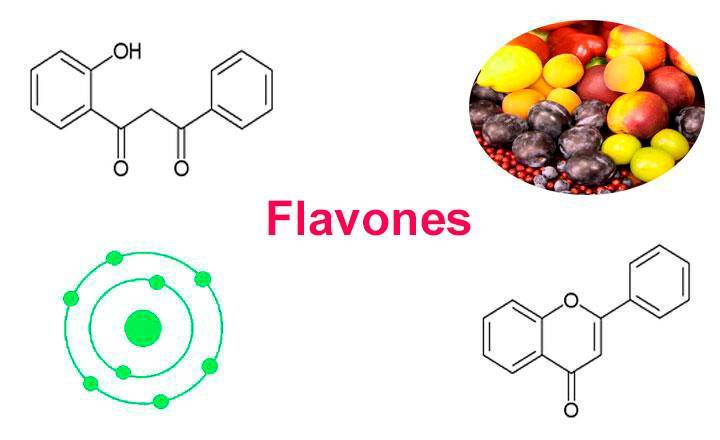
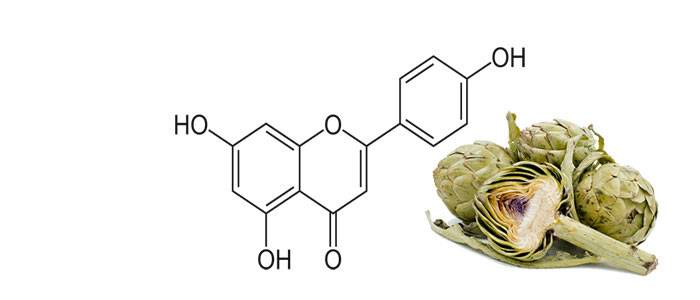
Vitexin or Isovitexin, also known as a flavone of the flavonoid category. It is a type of apigenin glucoside, present in foods and plants considered medicinal.
Contents
Vitexin
It belongs to the flavonoid group and the subgroup of flavones. Its scientific name is apigenin-8-C-glucoside or Vitexin.
The properties of Vitexin are antiplatelet, meaning it modifies blood coagulation.
This apigenin-derived flavonoid acts as an agent to prevent the formation of thrombi and clots inside arteries. It also has benefits as a natural antioxidant.
When metabolized, it functions as an antineoplastic agent. It can inhibit the growth or proliferation of malignant tumor cells.
In nature, there are many medicinal plants with anticancer properties, but the ones yielding the best results in the fight against cancer are glucosides derived from flavonoids like Vitexin.
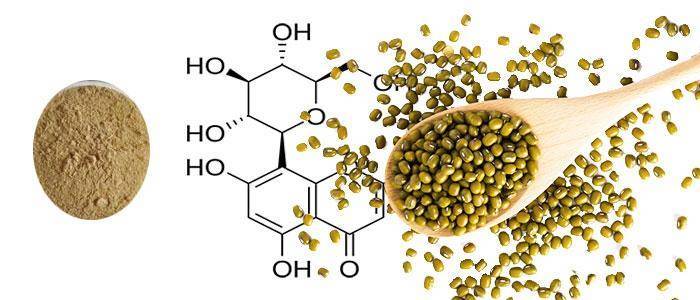
The benefits against cancer act as an inhibitor EC 3.2.1.20 (alpha-glucosidase).
It can also be considered as a natural chemical compound or a plant metabolite, the conjugate acid of vitexin-7-olato. Vitexin is, in turn, a C-glycosyl and a trihydroxyflavone.
Its synthesis is from apigenin, another of the most important flavones discovered and studied today.
Foods with Vitexin
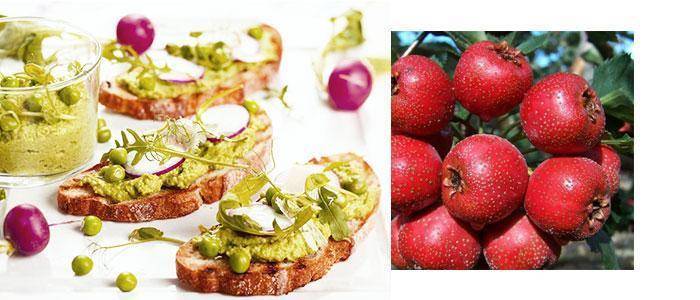
- Acai berry.
- Buckwheat (Fagopyrum esculentum).
- Green oats.
- Cannabis (Cannabis sativa).
- Hawthorn (Crataegus monogyna).
- Fenugreek or alhova (Trigonella foenum-graecum).
- Beans (Phaseolus vulgaris).
- Mung bean (Vigna radiata).
- Bamboo leaves (Phyllostachys nigra).
- Passionflower (Passiflora).
- Millet (Pennisetum glaucum).
- Chaste tree (Vitex agnus-castus).
Medicinal Properties
It has various functions in the human body, highlighting its power to prevent blood coagulation. It can be used in people with circulatory problems where blood is thick since the medicinal properties of Vitexin cause it to be more fluid. It acts as a blood thinner.
It also has effects to inhibit thyroid peroxidase, something that makes Vitexin have medicinal uses as a treatment for gout.
The properties of Vitexin are:
- Antiplatelet.
- Antioxidant.
- Anticancer.
- Anti-inflammatory.
- Anti-hyperalgesic.
- Neuroprotective.
- Diuretic.
- Antihypertensive.
- Inhibitors of thyroid peroxidase.
Its anti-hyperalgesic effects are valid for treating neuropathic pain, when there is an injury to the central or peripheral nervous system. This type of ailment is very difficult to mitigate due to its wide physiopathological diversity. When using Vitexin for neuropathic pain, the patient feels relief, although it generally needs to be combined with other agents with anti-hyperalgesic properties.
Vitexin can be found in foods such as fruits and some vegetables. It is an active component of many medicinal plants in traditional Chinese culture.

Antioxidants
Research on its effects to block free radicals and the oxidation of molecules involved in the body confirms that Vitexin has potent antioxidant properties.
Its action on human skin fibroblasts prevents free radicals from destroying cells, thereby blocking damage from exposure to ultraviolet radiation.
All studies suggest that Vitexin is a great natural antioxidant.
It damages Parainfluenza virus type 3 (PIV or HPIV). The antibacterial and antiviral properties of Vitexin are effective against viruses of the Paramyxoviridae family, the cause of many respiratory infections in the elderly, children, and babies such as bronchitis, pneumonia, and bronchiolitis.
Vitexin has shown in numerous studies its ability to eliminate Parainfluenza type 3 and rotavirus.
There is also data on its effects against Helicobacter pylori, another common pathogen in intestinal and stomach infections.
Thus, if it is confirmed that drugs composed of Vitexin can be developed, its medicinal applications could be greatly extended.
Anti-inflammatory and Soothing
There is more data related to the benefits of Vitexin for eliminating pain and inflammation. According to studies conducted in mice, it inhibits cytokines, inflammatory, and hematopoietic cells.
Cancer Inhibitors
It reduces tumor duplication and growth. It also inhibits the migration of cancer cells that can spread the disease to other parts of the body, thus preventing the metastasis common in many types of cancer.
Vitexin decreases the vitality of the tumor-forming cell, proven in breast cancer and leukemia cell cultures.
Diabetes Control
Its role in diabetes lies in the inhibition of the enzyme alpha-glucosidase, an enzyme responsible for carbohydrate breakdown.
This characteristic of Vitexin may have an important role in the prevention of type 2 diabetes.
Its properties for diabetes mellitus are also being considered according to the study by F. Wang. In the presence of Vitexin, levels of inflammatory cytokines decrease, while cellular apoptosis increases.
Cardiovascular
Given its properties to thin the blood, it is a potent ally in heart health. Vitexin or Vitexin prevents the formation of blood clots in the arteries, reducing the risk of coronary artery disease, myocardial infarction, etc.
Its action reduces the intensity of effort the cardiac muscle must make, preserving it and keeping it younger.
It unblocks calcium channels, lowering blood pressure and acting as a diuretic. Its advantages as an antihypertensive and vasodilator are being tested.
Isovitexin

Its scientific name is apigenin-6-C-glucoside. It has some variations on the normal form of Vitexin (apigenin-8-C-glucoside), which is also a glucoside.
Isovitexin is a purified isomer of vitexin and, like the one without «iso», it has medicinal applications thanks to its properties and benefits for humans.
Data indicates that both flavones (Isovitexin and vitexin) have similar effects, which allows them to be used as adjuvants in the same cases and therapies.
Other Uses and Applications of Vitexin
The properties of flavonoid antioxidants are well known. As vitexin is within this group, its ability to block free radicals and stop aging of the body has been studied.
It is not surprising that it is beginning to be incorporated into cosmetics today. The development of creams with vitexin is still in a very early stage, but as time goes by, they will be much more commonly found in stores.
Trade Names
- Apigenin-8-C-glucoside.
- Isovitexin
- Vitexin
- Isovitexin
- Homovitexin
- Saponaretin
- Apigenin-6-C-glucoside.
References
- Zhang, Y; Jiao, J; Liu, C; Wu, X; Zhang, Y (2007). «Isolation and purification of four flavone C-glycosides from antioxidant of bamboo leaves by macroporous resin column chromatography and preparative high-performance liquid chromatography». Food Chemistry. doi:10.1016/j.foodchem.
- Birzer, D. M., Klopfenstein, C. F., Leipold, H. W. (1987). «Goitre causing compounds found in pearl millet». Nutr. Rep. Int. 36: 131.
- Gaitan, E (1990). «Goitrogens in food and water.». Annual review of nutrition 10: 21-39. PMID 1696490.
- O. AKINGBALA (1991). «Effect of Processing on Flavonoids in Millet (Pennisetum americanum) Flour». Cereal Chem.