Acacetin (5,7-dihydroxy-4′-methoxyflavone) is a plant polyphenolic compound corresponding to an O-methylated flavone. Also known as acacetin, it possesses antioxidant, anti-inflammatory, and anticancer properties.
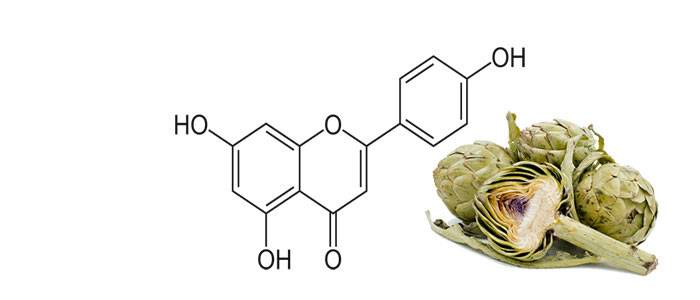
It is a derivative of another important flavone. It originates from apigenin 4′-O-methyltransferase, which, to synthesize it, makes use of apigenin (5,7,4′-trihydroxyflavone).
S-adenosylhomocysteine and Acacetin appear in the chemical reaction.
Contents
What is acacetin

It is a natural flavone present in plants such as damiana, black wattle, and in trees such as birch. Acacetin is a type of flavonoid thought to have health benefits.
Its antioxidant effects and the activation of cell apoptosis are promoting research into its properties for the human body.
Present in a wide variety of fruits and vegetables, it can be easily obtained.
It bears a strong resemblance to the flavones baicalein, naringenin, and luteolin. However, it is still less known than them.
Properties of Acacetin
Being a flavonoid compound, it possesses antioxidant properties that are very beneficial for human health. It is characterized by having anti-inflammatory and anticancer effects, highlighting the following properties of acacetin:
- Anti-inflammatory.
- Anticancer.
- Antimutagenic.
- Antiplasmodial.
- Antiperoxidant.
- Antiestrogenic.
- Aromatase inhibitor.
- Cardioprotective.
- Anti-aging.
The anticancer effects are currently under study. It is thought that, because it is a subclass of flavonoid, being a flavone, acacetin may have this type of effect on the human body and on animals.
What has been studied is its ability to promote cell apoptosis, that is, to induce the death of certain types of cancer cells. Data indicate that in the case of prostate cancer, it is functional. It causes DU145 cells to die.
This type of plant pigment has various functions when ingested through food or administered in a dose via a tablet, which can be a medication or a dietary supplement.

Acacetin or 5,7-dihydroxy-4′-methoxyflavone has antimutagenic properties. It prevents errors in the duplication of cellular DNA and prevents many types of cancer. It also reduces the migration of cancer cells to other parts of the body, which lowers the frequency at which cancer metastasizes. Its antiproliferative effects are highly valuable.
At the same time, acacetin is a good antioxidant. It delays the oxidation of lipids in the blood, improving cardiovascular health and preventing the accumulation of fatty tissue in the arteries.
Regarding cholesterol, the presence of flavones lowers LDL cholesterol levels.
While some of the properties of Acacetin are still being studied, it is thought that in the near future it could be a very valuable chemopreventive agent.
Other Properties and Benefits of Acacetin
It is capable of inhibiting the activity of aromatase. When its presence is detected in the body, the enzyme aromatase, which controls testosterone levels, decreases.
This causes estrogen levels to rise, simultaneously alleviating many of the discomforts that appear during menopause, as well as regulating estrogenic action in men.
By blocking aromatase activity, the amount of estrogen decreases. It is not possible to create them since the enzyme has been destroyed or disabled from performing its functions.
When this happens, testosterone levels increase. There is no testosterone-estrogen conversion, and testosterone remains free.
Plants with Acacetin
- Black Wattle (Robinia pseudoacacia).
- Damiana (Turnera diffusa).
- Silver Birch (Betula pendula).
- Fern (Asplenium normale).
Commercial Names
- 5,7-dihydroxy-4′-methoxyflavone.
- Acacetin.